
Learn how to collect, dry, and store seeds from your garden this fall – from squash to berries – and even how to prepare plants like figs for a New York winter. Explore the scientific insights on seed longevity and genetics happening in your garden.
As the weather colds down in New York, and the majority of the garden season is coming to an end and the ulimate action is coming….saving your seeds. It is one of the most important ways to carry on this year’s harvest into the next. Whether you’re harvesting tomatoes from a balcony, squash from a backyard plot, or herbs from a windowsill, each seed holds the potential for next year’s bloom.
If you haven’t being doing so throughout the season, the time to salvage seeds from your garden is now – in the final push of the garden season in New York City. The action of saving seeds is a delicate one, and not all seeds can be processed the same for storage. Not only does money on next year’s garden, but you are also acting as your own scientists practicing horticulture- making sure that with every generation of plant you grow will get better!
Here are 4 steps to Save your seeds:
Step 1: Choosing the right plant
Not all plants are made alike. Plants that you have grown through supermarket seeds or perhaps from the garden center may produce seeds that are hybrid or sterile. If you have chosen to grown open-pollinated or heirloom vegetables, you’re in luck.
With open-pollinated or heirloom varieties – these produce offspring that are genetically similar to the parent plant. Hybrid varieties (often labeled F1) may not “come true” the following year, producing unpredictable results.
If you happen to follow our mini-series on Flora Fridays, we have made mention of a few plants you can grow in your garden:
Good beginner seeds:
- Tomatoes
- Peppers
- Herbs
- Beans
- Strawberries
- Marigolds
For NYC gardeners, these plants thrive in containers or small raised beds and produce seeds easily in late summer or early fall. But don't worry we will show you how to preserve a wide range of plant seeds.
Step 2:Harvest and Clean Seeds
When choosing which seeds to harvest, ideally you would like to pick the fruit or vegetables that have the traits you like the best. For example, if you like a tomato of a bigger size- choose the biggest tomato you can grow to gather seeds from. Or if you like how a certain flower grew, choose seeds from that specific one. This is called selective breeding – choosing the traits you desire with the goal of increasing those traits for future yields.
Different plant types require different methods for seeds:
| Plant Type | When & How to Harvest | Special Tips |
|---|---|---|
| Tomatoes & Peppers | Wait until fruit is fully ripe. Scoop seeds + pulp, ferment 1–2 days in water, then rinse and dry. | Fermentation removes natural germination inhibitors. |
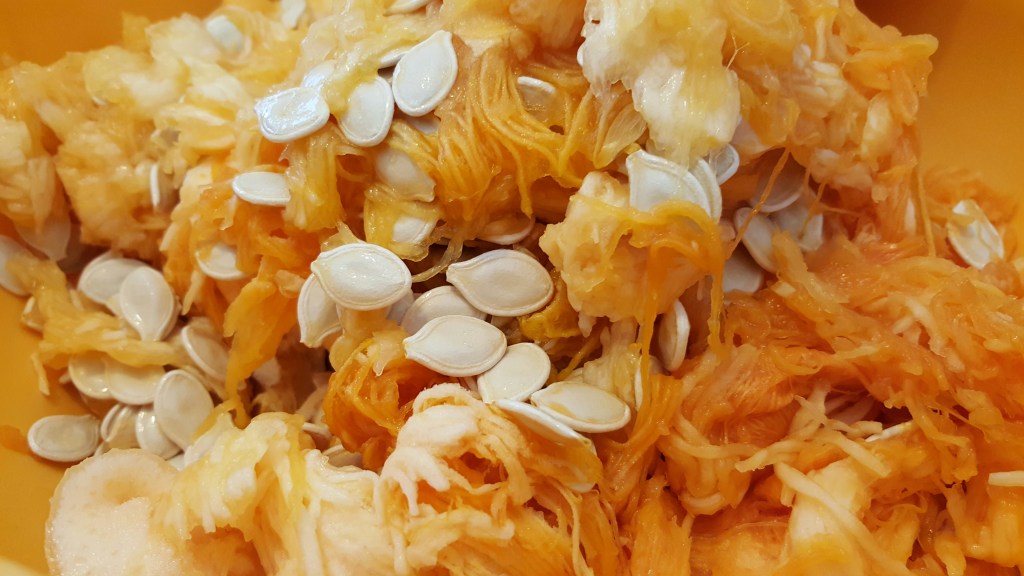
| Squash, Cucumbers, Melons | Scoop seeds from mature fruit. Rinse well to remove pulp. | Dry for 7–10 days; isolate varieties to prevent cross-pollination. |
| Beans & Peas | Let pods dry on the vine until brown and brittle. | Shake seeds free, remove any moldy pods. |
| Berries (Strawberries, Raspberries, Blueberries) | Mash ripe berries, strain, rinse seeds, dry on paper towel. | For wild berries, seeds may require cold stratification — several weeks of moist chilling to mimic winter. |
| Herbs & Flowers | Wait for seed heads to brown and rattle. | Shake seeds loose, remove chaff. |
Be aware that there are many different methods for different plants. For example, if you want to grow more strawberries- instead of saving the seeds, choose to allow the runners to grow in order to clone itself for more plants. Or perhaps you find more success in allowing the pepper seeds to dry on the core and to harvest seeds rather than letting it ferment. There aren’t a one size fits all method; you can find success in different ways depending on your environment and intention.
Science Spotlight: Why Drying Matters
Seeds are living organisms in a dormant state. Moisture is their biggest threat during storage as it triggers respiration and aging.
According to research in Frontiers in Plant Science (Walters, 2020), seeds stored under cool, dry conditions maintain viability for years, whereas warm, humid air can cut that lifespan drastically.
Step 3: Label, Store, and Test
After drying can collecting make sure to label each seed batch with:
- Plant name & variety
- Date harvested
- Any notes on growing conditions
Store seeds in paper envelopes or small jars in a cool, dark, dry place. For long-term storage, refrigerate in airtight containers with a silica gel packet.
To test viability before spring:
- Place 10 seeds on a damp paper towel.
- Seal in a plastic bag for a week.
- Count how many sprout — that’s your germination rate.
Seeds with <60% germination may still grow, but always plant extra.
Step 4: Winter Prep for Perennials
New York City falls in USDA zones 7a–7b, meaning winters can dip to 0–10°F. Most native perennials, such as wild blueberries, Black-eyed Susan, and Bee Balm, overwinter naturally. Simply mulch lightly and cut back in early spring.
For figs (Ficus carica):
- Prune lightly in late fall.
- Mulch 6–12 inches around the base.
- Wrap the trunk with burlap or garden fleece.
- If potted, move indoors to an unheated basement or garage.
Even if top growth dies back, the roots often resprout in spring.
Science Spotlight: The Physiology of Dormancy
Seeds and woody perennials like figs enter a dormant phase in cold seasons, slowing metabolism to conserve energy. During dormancy, plant hormones such as abscisic acid (ABA) accumulate, preventing premature germination. When temperatures rise and moisture returns, ABA levels drop signaling the plant to “wake up” and grow (Benech-Arnold et al., 2013).
Why It Matters
Saving seeds isn’t just sustainable it’s scientific stewardship. When you save seeds you are effectively preserving biodiversity, reducing plastic and packaging waste, and building a garden lineage that is uniquely adapted to your corner of New York.
Each seed you save tells a story of resilience, adaptation, and care. By planting them next spring, you’re not just regrowing plants you’re continuing a living legacy.

 Outer Haven
Leave a comment