
Category: Health
-
Flora Friday: It’s Finally Time
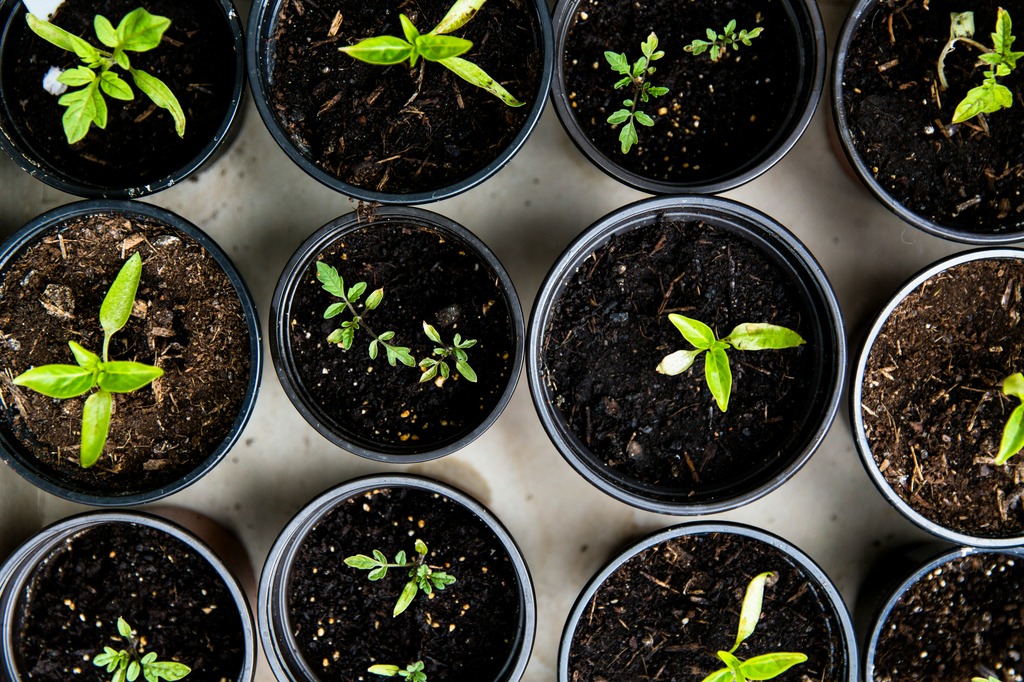
It’s time to start your spring garden! Learn what seeds to start indoors in April, how to build cheap indoor setups, and what to feed your soil — whether you garden in an NYC apartment or a backyard.
-
Drinking Deep: The Science and Debate Over Fluoride in our Tap Water

Explore the benefits, risks, and political debates surrounding fluoride in drinking water. Learn about fluoride levels in NYC, alternatives, and the ongoing controversy.
-
Flora Friday: The Hidden Power of Flowers

Flowers are not just decorative but also have practical uses, including food and health. Edible flowers can enhance meals, drinks, and skincare. The text highlights 11 easy-to-grow varieties, their flavors, and growth tips, encouraging individuals to add these resilient plants to their NYC apartments for beauty and culinary delight.
-
Flora Friday: Blueberries- a Nutritional Gem
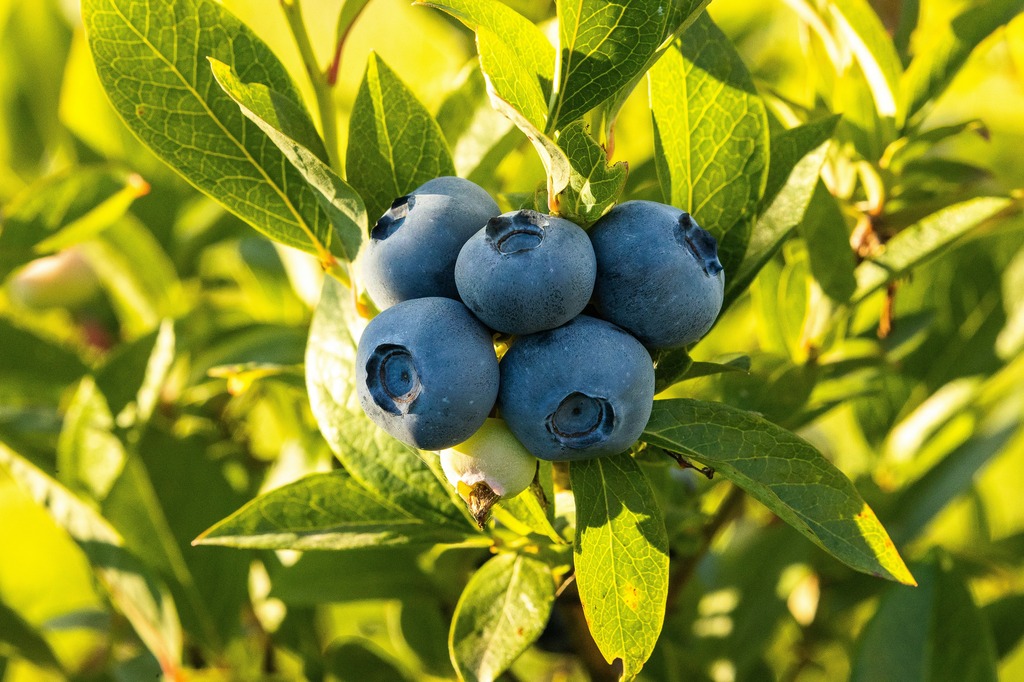
Do you know Blueberries are a Native New Yorker? They are surprisingly easy to grow and one of the most rewarding plants if you are patient. If you are a fan of these berries, know you do not need a huge backyard to grow them!
-
Flora Friday: Spinach – Small Leaves, Big Impact

Spinach is a powerhouse leafy green packed with essential nutrients that support overall health. It is rich in vitamins A, C, and K, which help boost immunity, promote healthy skin, and strengthen bones. Spinach also contains antioxidants like lutein and zeaxanthin, which protect the eyes from age-related vision problems. Additionally, its natural nitrates may help…
-
Get ready,Get Set,Sow: Urban Gardening
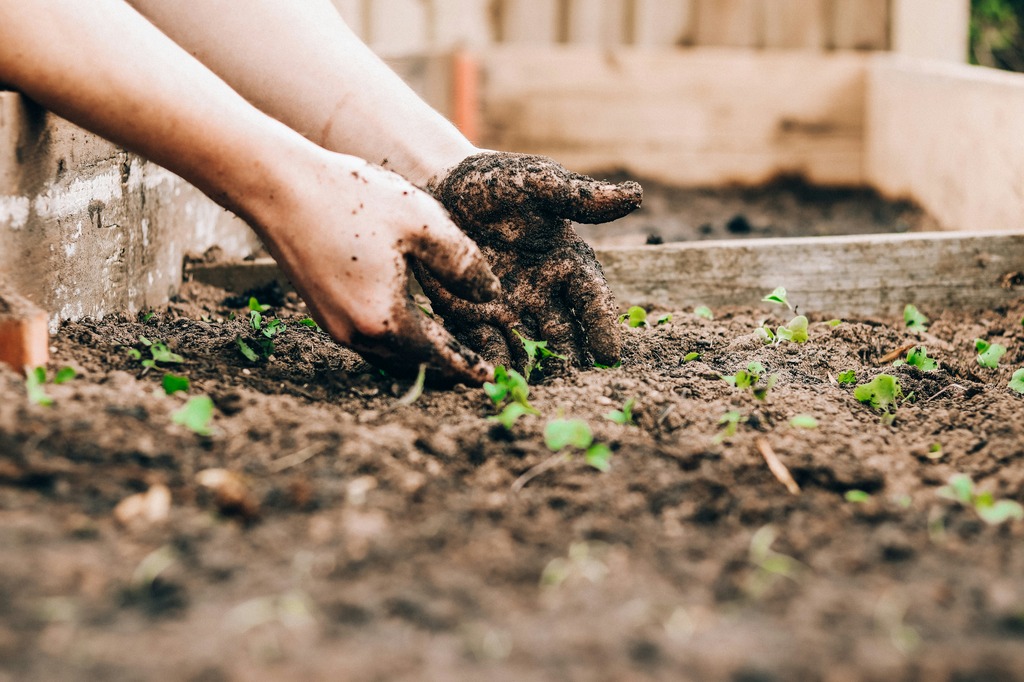
spring is an ideal time for New Yorkers to start growing food, regardless of space. NYC offers diverse gardening resources, workshops, and events for all skill levels. No matter your space or sunlight, there is a plant for you! Garden provides a multitube of benefits from fresh produce to improved mental wellbeing.
-
The Hidden Cost of Period Products- and How We Can Make a Change

Menstrual products, essential for half the world’s population, pose significant environmental and health risks, including plastic waste and harmful chemicals. With limited research and knowledge about alternatives, many face systemic barriers. Sustainable options like menstrual cups and organic products exist, but systemic change is crucial for effective solutions and awareness in menstrual health.
 Outer Haven