
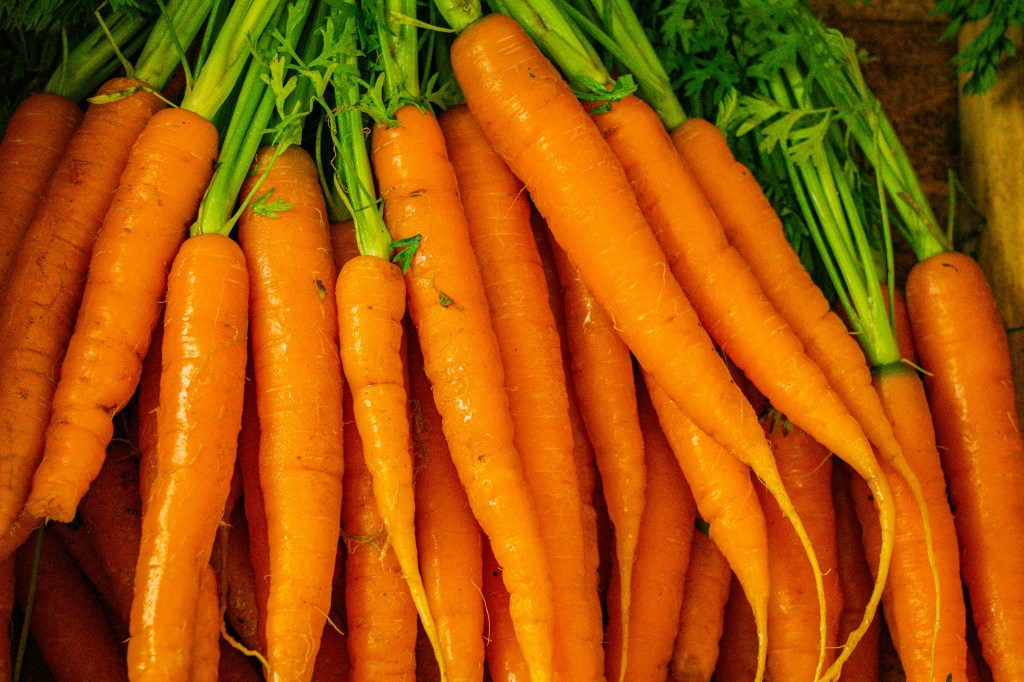
Although the saying that carrots give you better eyesight is not the full story – the power of the carrot should not be underestimated. Here is why you should grow carrots in your garden this spring and how.
Although the saying that carrots improve your eyesight is often repeated, it’s only partially true. Carrots are rich in beta-carotene, which the body converts into vitamin A, an essential vitamin for eye health, but they won’t give you superhuman vision. Still, their nutritional value, resilience, and adaptability make them one of the best crops to grow this spring in New York City.
Carrots (Daucus carota subsp. sativus) are a cool-season root vegetable that thrive in early spring temperatures. With the right setup, they grow just as well in a Brooklyn backyard as they do in a container on a Manhattan fire escape.
Carrots Need a Spot in your Garden
Carrots are not only easy to grow, but they are also biologically fascinating and nutritionally dense.
They are a major source of beta-carotene, an antioxidant that converts into vitamin A, supporting immune function, skin health, and vision (National Institutes of Health, 2022). Purple carrot varieties contain anthocyanins, compounds linked to reduced inflammation and cardiovascular benefits (USDA, 2019).
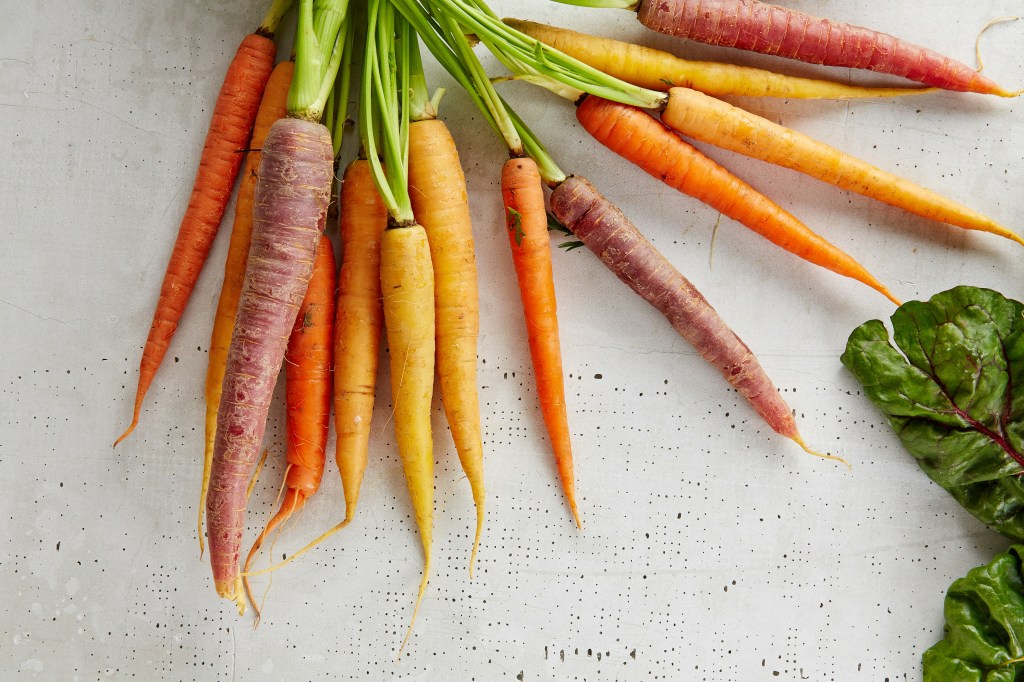
Interestingly, carrots weren’t always orange. Early domesticated carrots in Central Asia were purple and yellow; the now-common orange variety was selectively bred in the Netherlands in the 17th century (Smithsonian Magazine, 2013).
How to Grow Carrots in NYC
Carrots being a root vegetable – soil quality is everything.
They perform best in loose, well-draining soil, allowing roots to expand without obstruction. In compacted or rocky soil, which are common in urban environments, carrots may become forked or stunted. Which can result in smaller and miniature carrots.
- Sunlight: At least 6 hours of direct sunlight daily
- Soil: Sandy, loose, and stone-free
- Water: Consistent moisture is key for germination
- Spacing: Thin seedlings to 2–3 inches apart
NYC soil can be dense or contaminated, raised beds or containers are often the safest and most effective option (Cornell Cooperative Extension, 2023). There are also other vegetables that can help carrots grow.
When to Plant in NYC
Carrots are a cool-season crop, meaning they thrive in mild temperatures – and that you have the chance to plant and harvest twice in the growing season!
- Spring planting: Late March through early May
- Fall planting: Late July through August for a second harvest
- Germination time: 10–21 days
Carrots germinate slowly, which can be frustrating for beginners. Keeping the soil consistently moist during this period is critical for success. Note that if you hope to obtain seeds from carrots, you would need to leave some behind in the dirt as they will produce seeds the following year, as they are biennials.
Companion Planting: A Natural Boost
Carrots benefit from strategic planting alongside other crops.
- Onions, garlic, chives and leeks help repel carrot flies (Psila rosae)
- Lettuce, kale, and spinach acts as a living mulch, helping retain soil moisture and have shallow roots
- Rosemary, chamomile, and sage can deter pests with their strong scents
- Radish also help to break up soil for carrots to grow
Avoid planting carrots near dill, fennel, or parsnips, which may attract similar pests or compete for nutrients.
Types of Carrots (and What Works Best in NYC)
Carrots are one of the most recognizable vegetables in the United States. They have a long shelf life and are one of the easiest and tastiest vegetables to grow. However, not all carrots are created equal – especially when space is limited.
Here are 4 species of Carrots you should grow:
- Nantes: Sweet, straight, and ideal for beginners
- Danvers: More tolerant of heavier soils
- Imperator: Long and slender, but requires deep soil
- Chantenay: Short and thick—perfect for containers or shallow beds
For urban gardeners, these shorter varieties often produce better results, whether in the ground or in containers.
Orange carrots have wonderful flavors and its diversity in dishes are remarkable, know that there are far more colorful carrot species. The different colors are a result of different number of antioxidants and vitamins. For example, purple carrots are rich in anthocyanins (which is linked in cardiovascular health), orange carrots are high in Beta-carotene, yellow carrots contain lutein (which benefits eye health. All are good sources of vitamin C & A, and help contribute to overall health.
Growing Carrots in Containers
For NYC residents without garden space, carrots are an excellent container crop. They can also look like an interesting house plant once the leaves become bushier!
To grow in a container:
- Use containers at least 10–12 inches deep
- Choose shorter varieties like Chantenay or Parisian
- Use a light, well-aerated potting mix
Urban agriculture studies have shown that root vegetables like carrots can perform well in container systems when soil depth and drainage are optimized (NYC Urban Agriculture Report, 2021).
Recipe for your Crop
Simple Honey-Roasted Carrots with Herbs
This recipe brings out the natural sweetness of carrots while adding a subtle savory balance. It’s easy, affordable, and perfect for freshly harvested carrots.
Ingredients
- 1 bunch of fresh carrots (about 6–8), peeled if needed
- 1–2 tablespoons olive oil
- 1 tablespoon honey (or maple syrup for a vegan option)
- Salt and black pepper, to taste
- 1 teaspoon fresh thyme or rosemary (optional)
- Juice of ½ lemon (optional, for brightness)
Instructions
- Preheat oven to 400°F.
- Prep carrots: Slice into even sticks or leave whole if small.
- Toss: In a bowl, mix carrots with olive oil, honey, salt, and pepper.
- Roast: Spread on a baking sheet in a single layer. Roast for 20–25 minutes, flipping halfway, until tender and slightly caramelized.
- Finish: Sprinkle with fresh herbs and a squeeze of lemon juice before serving.
Carrots are one of the most accessible crops for NYC gardeners – adaptable, nutrient-rich, and surprisingly diverse. Whether you’re growing in a backyard, raised bed, or container, they offer a low-barrier entry into food production and a deeper connection to what you eat.
This spring, consider planting more than just the standard orange variety. A mix of colors, shapes, and growing methods can turn a simple crop into a scientifically rich and visually rewarding experience.
 Outer Haven