
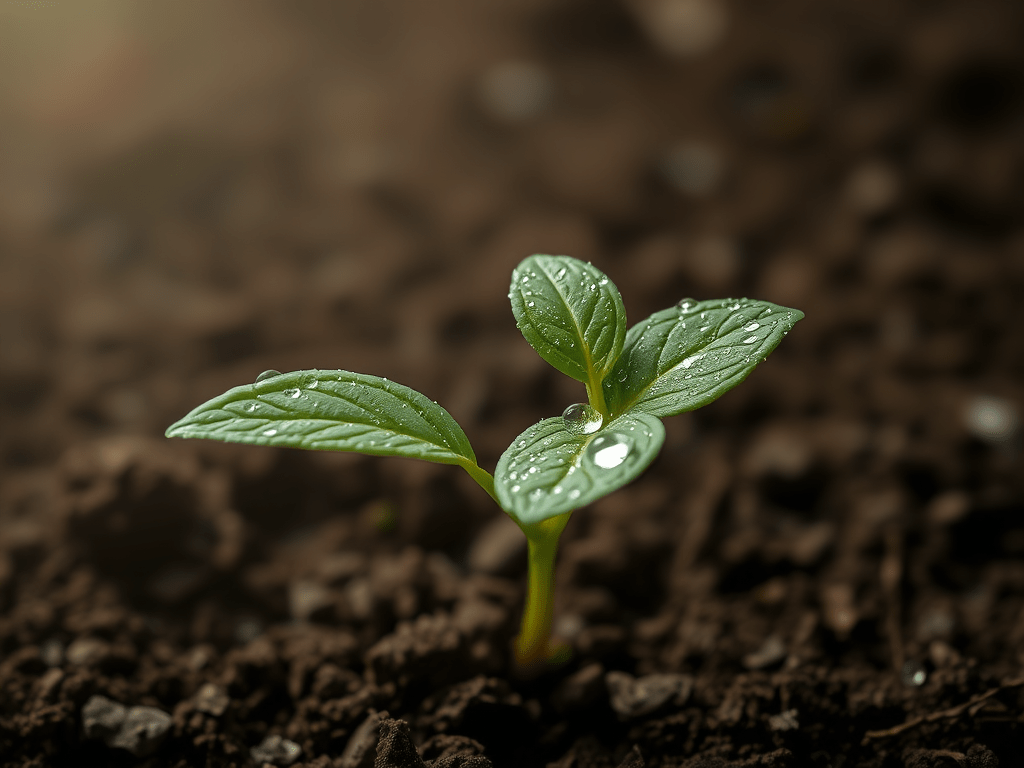
Spring is around the corner, now is the time to prepare for your garden for this spring and summer. Here is how to start your action plan to get the best yield of your garden.
Whether you have a small NYC apartment balcony or a house with a backyard, there is something for you to grow. With the right planning, you can make the most of whatever space you have – from pots on a windowsill to raised beds in the ground.
Many people believe gardening begins in late spring, when trees bloom and fresh blades of grass finally emerge. But that’s only partially true. To truly get a head start, preparation begins in the fall. That said, don’t worry it’s not too late to grow plenty of tasty, colorful, and fragrant plants this season.
Let’s build a simple game plan to help you get the most out of your space.
1. Decide What You Want to Grow
A very important factor of a garden is sunlight, water, and TIME.
Every plant has a growing window – a certain number of days it needs before temperatures become too hot (or too cold). So the real question is: What do you want to harvest this year?
Are you dreaming of:
- Fresh herbs for cooking?
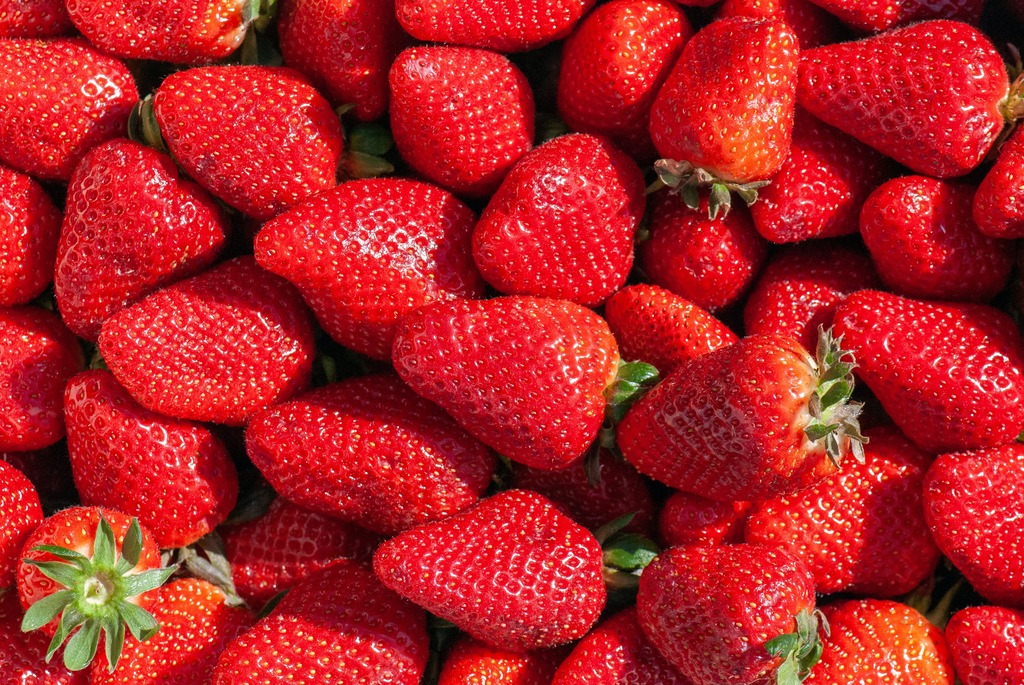
- Strawberries for summer snacking?
- Native flowers for pollinators?
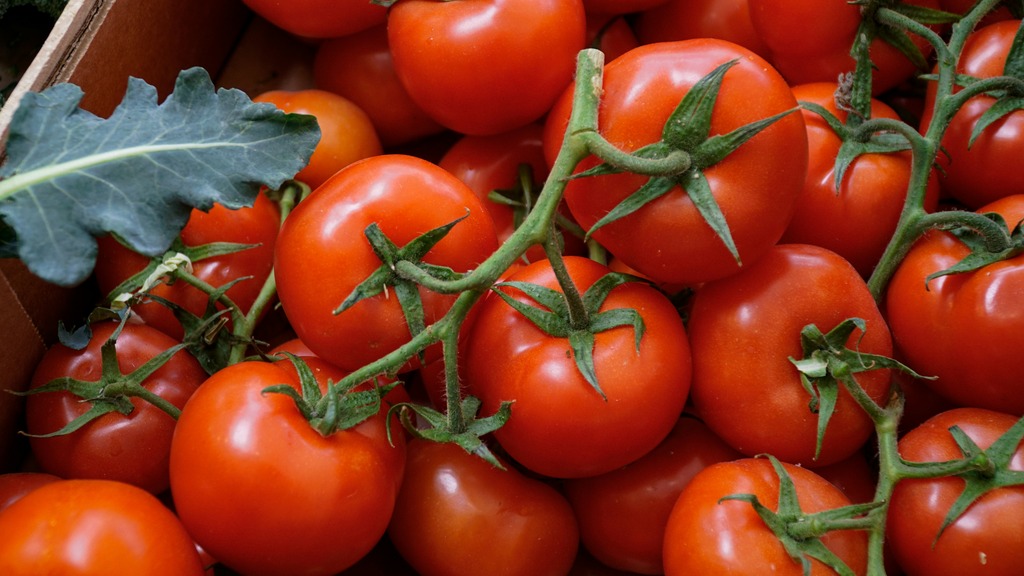
- Tomatoes on your fire escape?
- Cucumbers and carrots to pickle?
Once you decide, you can work backward from there.
An important factor to consider is whether the plant is native to your area or not. Some plants, especially those native to colder climates, require cold stratification. Native flowers, strawberries, and many trees’ seeds evolved this way. Although they have the chances to grow without, this process would give you the best success rate among your seeds
Cold Stratification
Cold Stratification is a process that requires certain seeds to be exposed to colder temperature before they germinate. Winter conditions essentially “wake up” the seed and signal that it’s safe to grow.
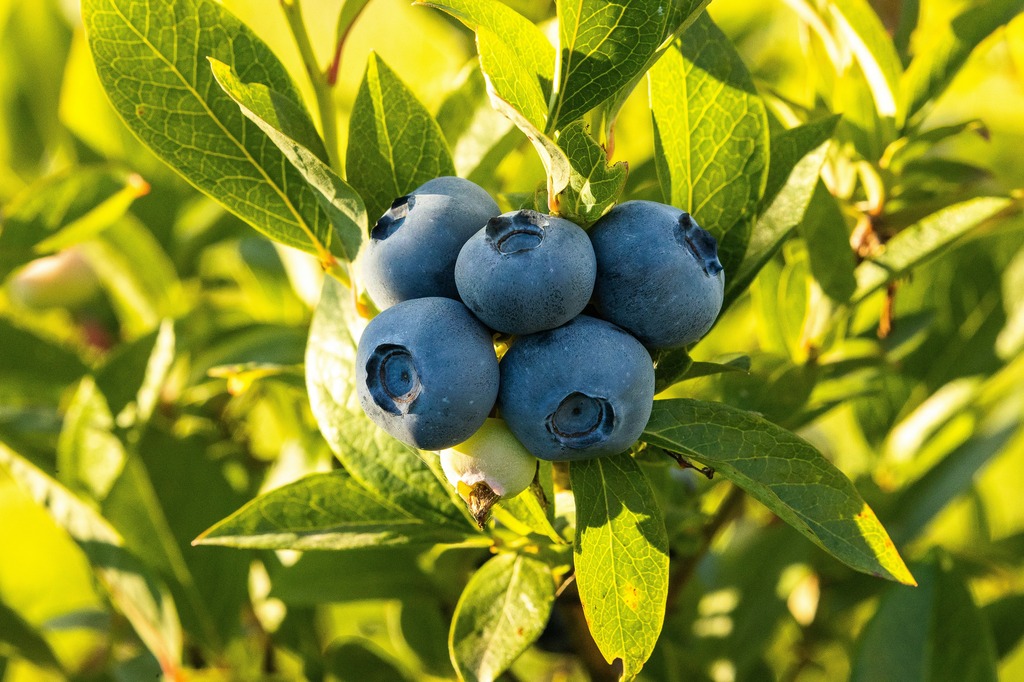
If you have wondered why your lavender seeds can’t make it passed that germination phase, it’s because they need that cold stratification process. Along with plants like figs, strawberries, poppies, blueberries, and more.
Certain plants may need more time then others, so plan your time accordingly.
If you missed winter stratification, don’t panic. You can mimic the process in your refrigerator for certain seeds or choose plants that don’t require it.
Not to mention, sunlight plays a very active role in growing plants, so try to make sure that the type of plant you are growing gets adequate sunlight, otherwise you run the risk of the leaves burning or stunting the growth. The same idea goes for watering!
2. In Pots or in the Ground?
Your space determines your strategy.
Container gardening is ideal for NYC apartments, balconies, rooftops, and even sunny windowsills. It gives you flexibility and control over soil quality and drainage.
Planting in the ground (or raised beds) allows for deeper root systems, more varitey, and often larger yields but it also requires more planning and maintenance.
Some plants require very specific soil conditions. Others spread aggressively if not contained, like mint; if planted directly in the ground, it can quickly take over an entire bed and maybe your neighbor’s backyard. In cases like this, containers are your best friend.
When choosing between pots and ground planting, consider:
- Sunlight exposure
- Drainage
- Available space
- How much maintenance you’re willing to commit to
As a type of reminder that space is important when growing any plant. Some plants need more space, not only because of how large they can get, but also because if there is an overcrowding and not enough space for roots to properly grow – it can result is a weak yield of fruits or vegetables.
3. Choosing the right Buddy for your Plant
Gardens are ecosystems not just collections of individual plants.
While there are many practices on how to grow a garden, if you would like to optimize your garden space, consider companion planting. This practice is one where multiple plants activity help others to grow. Maybe you are already aware of companion planting with the 3 sisters knowns as corn, squash, and peas/beans. This strategy can improve soil health, deter pests, attract pollinators, and even enhance flavor.
Here are a few classic examples:
Basil + Tomatoes
Basil may help repel certain pests that target tomatoes. Many gardeners also swear it improves tomato flavor.
Marigolds + Almost Anything
Marigolds are often planted around vegetable beds because their roots can help suppress certain soil nematodes, and their scent may deter insects. Their flowers can be used as teas or in salad or left to turn into seeds.
Beans + Corn
Beans fix nitrogen in the soil through a symbiotic relationship with bacteria in their roots. Nitrogen is essential for leafy growth meaning nearby plants benefit too.
Strawberries + Borage
Borage attracts pollinators and beneficial insects, which can increase strawberry yields.
The takeaway: diversity strengthens a garden. When you mix flowers, herbs, and vegetables, you’re building a small but powerful ecological network.
So What Do you Plan on Growing?
This weekend started plotting as to what you would like to grow and dive into the world of plants. Perhaps you don’t know what you want to grow? Check out our flora Friday articles, which describe plants, their benefits, and how to grow them!



Happy Growing!
 Outer Haven