
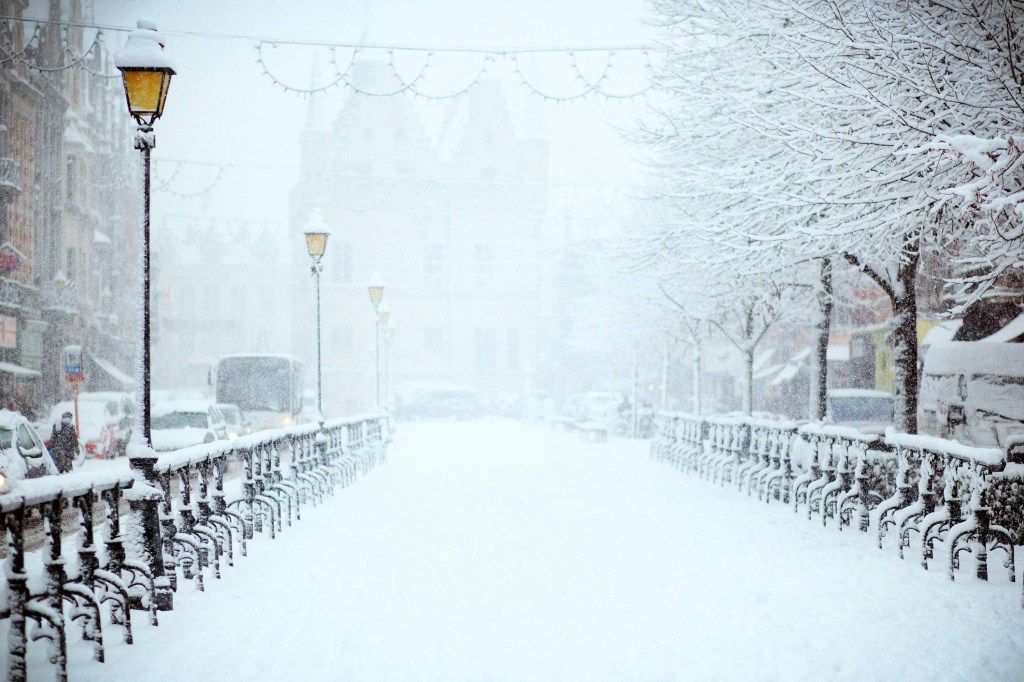
The cold is not just a state of mind – it can have serious effects on your body. As New York faces another major winter storm, snow, wet conditions, and freezing temperatures increase the risk of hypothermia, frostbite, and heart strain. Understanding how cold exposure affects your health could be lifesaving
This week in New York City, the air is no longer frostbiting sub-zero. Instead, a heavy snow blankets sidewalks, rooftops and subway grates. The crisis atmosphere of deep freeze warnings has eased with spring rearing its head. But winter’s grip on the human body does not end when temperatures creep above freezing.
Cold, even when it is not record-breaking, changes how the heart beats, how blood moves, how lungs respond, and how people survive outdoors. In recent weeks, over 20 New Yorkers have died after exposure during frigid nights, according to local news reports, which documented cases of individuals found unresponsive in outdoor and indoor settings during overnight cold snaps.
Advocates for people experiencing homelessness have also raised concerns about warming center access and reports of coordination issues involving heated buses deployed during extreme cold alerts — concerns reported by local media and community organizations who described confusion about locations, hours, and outreach communication.
Understanding what snow does to us physiologically. From suppressed immunity to hypothermia. Let’s reveals how winter weather is a complex and in some cases deadly stressor.
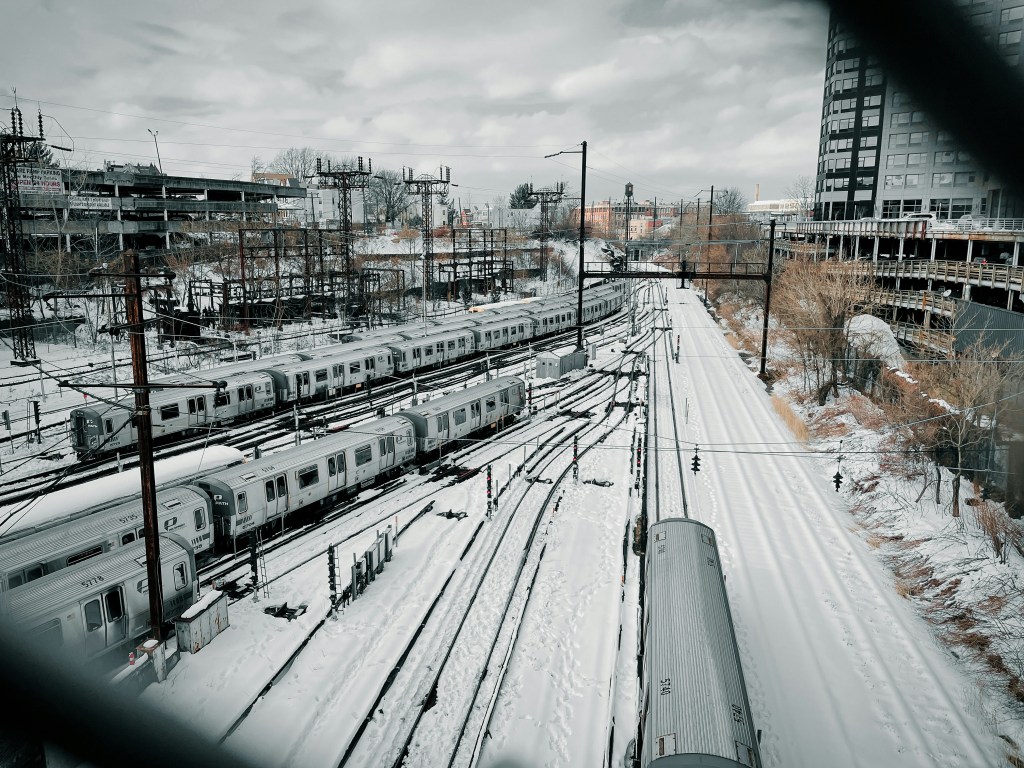
Snow Is Wet
Unlike dry, frigid air, snowfall introduces moisture into the equation. Snow melts on contact with warm skin and clothing, accelerating heat loss through conductive cooling. Wet fabric loses insulating capacity, increasing the risk of hypothermia even when air temperatures hover above freezing.
According to the U.S. Centers for Disease Control and Prevention (CDC), hypothermia can begin when body temperature falls below 95°F (35°C), impairing brain function, coordination, and judgment. Snowy conditions are particularly deceptive because temperatures may not feel extreme, yet soaked clothing and prolonged exposure steadily drain core heat.
Research shows that moisture increases heat loss up to 25 times faster than dry air exposure. Meaning, the more you sweat or stay wet while it is cold outside, the more heat your body can lose. In urban settings like New York, this often occurs during snow shoveling, long commutes, or waiting outdoors for delayed transit.
Snow and the Heart: The Shoveling Effect
Snowstorms are associated with a spike in cardiovascular events.
When shoveling snow, your back is not the only thing you should be worried about. A 2017 study published in the Canadian Medical Association Journal found that heavy snowfall was linked to an increase in hospitalizations and deaths from myocardial infarction, particularly among men. The combination of cold-induced blood vessel constriction and the intense physical exertion of shoveling places acute strain on the heart.
Cold exposure activates the sympathetic nervous system, raising blood pressure and heart rate. Blood vessels constrict to preserve core warmth, increasing vascular resistance. For someone with underlying coronary artery disease, that physiological stress can be enough to trigger a cardiac event.
The American Heart Association warns that snow shoveling is comparable to vigorous exercise and recommends that individuals with heart disease consult a physician before performing strenuous snow removal.
Those who are shoveling snow should take a break every 10-15 minutes to prevent overexcretions and strain on your back and heart.
Snow, Respiratory Illness, and the Immune System
There is a reason why people tend to get more sick in the winter. Snowfall often coincides with peak respiratory virus season in New York. While cold air itself does not “cause” colds, winter conditions create an environment that facilitates viral transmission.
Research from institutions including Yale University has shown that colder nasal temperatures can impair local immune defenses, reducing the ability of epithelial cells to respond to viral invasion. Cold, dry air also dehydrates the mucosal lining of the respiratory tract, weakening a critical barrier against pathogens.
On the other side of the coin, what we do indoors also contributes to how we can get sick in snowstorms. People tend to be indoors for longer periods, less ventilation in indoor spaces, public transportation can become more crowded, not to mention routine medical care may be disrupted.
Together, these factors increase transmission of viruses such as influenza and RSV, which historically surge during winter months.
Frostbite and Hyperthermia Without Extreme Cold
Frostbite and hyperthermia is commonly associated with arctic conditions, but it can occur at temperatures near or slightly below freezing, especially with wind and wet skin.
Frostbite begins when skin tissue freezes, forming ice crystals that damage cells and blood vessels. The National Institute of Arthritis and Musculoskeletal and Skin Diseases explains that early frostbite, or frostnip, may present as numbness or pale skin, progressing to hard, waxy tissue and eventual blistering upon rewarming. Extremities such as exposed fingers, toes, ears, and noses are most vulnerable. Note that frostnip does not cost permanent damage and can be reversed with gentle warming of the area.
One of the most misunderstood dangers is hyperthermia. According to the CDC, hypothermia can develop in temperatures as high as 40°F (4°C) when a person becomes wet and remains exposed. Snowmelt, slush, and soaked footwear increase conductive heat loss dramatically. Add wind and fatigue, and core temperature can drop faster than expected.
Children, whose body surface area relative to mass is higher than adults, lose heat more rapidly. Alcohol consumption also increases risk by impairing judgment and dilating blood vessels, accelerating heat loss.
When Snow Turns Deadly
Winter storms have, in recent years, contributed to preventable deaths in the region.
With documented cases of individuals found unresponsive outdoors and indoors during severe winter weather, including unhoused residents exposed to prolonged cold and snow. Calling the attention of the Newly elected Major Mamdani, who took accountability of the miscommunication on the coordination of the emergency warming resources and transportation — such as delays or confusion surrounding the deployment of heated buses during extreme cold events.
The death toll ignited the debate on street homeless response, with advocates for the unhoused have repeatedly emphasized that snow and cold amplify systemic vulnerabilities: shelter capacity limits, communication gaps, and insufficient outreach during overnight weather emergencies.
Snow, in these instances, is not only a meteorological event but a stress test of infrastructure and governance.
A City in Snow
Snow transforms New York into something beautifully and briefly cinematic. A quieter, reflective, softened city. But beneath that surface lies a complex interaction between weather and the human body.
Even without sub-freezing temperatures, snow alters thermoregulation, immune function, cardiovascular strain, and injury risk. For some residents, it is an inconvenience. For others, particularly older adults, people experiencing homelessness, and those with chronic illness, it can be life-threatening.
And as snow continues to fall across the city, the science reminds us: the body is resilient but not invincible.
Stay Warm and Bundle up
 Outer Haven