

The fare is yet again aimed to rise again in January 2026 but that is not the only fare that is increasing next year.
On January 4th, 2026 , an increase in subway, bus, and tolls will go into effect. This would be newest increase from August 2023 where the price $2.75 to $2.90- an 15 cent.
The Price of a Swipe Keeps Rising
For millions of New Yorkers, the subway turnstile is the first checkpoint of the day – a familiar beep before work, school, or anywhere else the city demands you be. But that small sound is getting more expensive. After years of relative stability, the Metropolitan Transportation Authority is once again raising fares and tolls, quietly reshaping the cost of moving through New York.
The increases come at a time when inflation, housing costs, and daily expenses are already straining household budgets. And while the base subway fare gets the most attention, it’s only one part of a broader set of changes that will affect commuters across buses, trains, and bridges.
Subway and Bus Fares: The Headline Increase

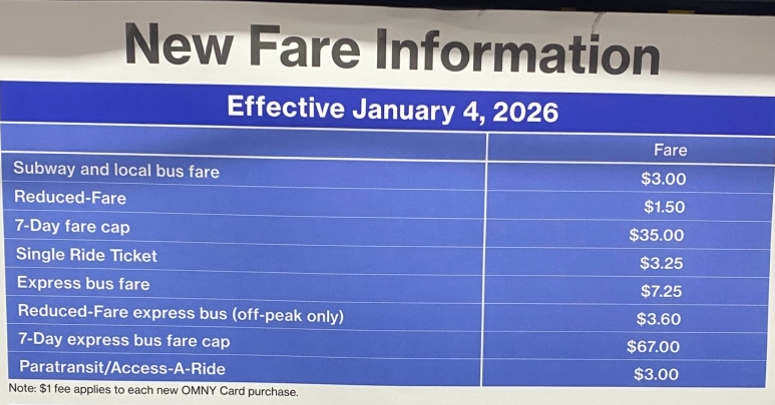
The most noticeable changes are the rise of base fares for subways and local buses. After increasing from $2.75 to $2.90 in 2023 – the first hike in nearly a decade – the MTA has approved another increase that will bring the standard fare to $3.00.
The agency says the adjustment is needed to keep the transit system running amid rising operating costs, aging infrastructure, and the long‑term financial impacts of the pandemic. Ridership has rebounded unevenly, while maintenance, labor, and energy costs continue to climb. Fare hikes, the MTA argues, are part of closing that gap.
The Covid Pandemic and Goverment involvement
The pressure is also financial fallout from the pandemic itself. During COVID-19, subway and bus ridership collapsed, wiping out billions of dollars in fare revenue almost overnight. Federal relief money stepped in to keep the system running and prevent severe service cuts, but that funding was always temporary. As those one-time dollars run out, the MTA is now confronting large projected budget gaps – and turning back to fares and tolls to help close them.
Without the government assistance, the MTA faces more debt than revenue as riders make up less of the MTA budget, compared to years before the pandemic. A main reason as to why the MTA is aiming at tolls and increase fare to help close the gap. However, fare revenue in 2026 is still projected to be lower than the pre-pandemic total revenue.
Express bus fares and single‑ride tickets will also rise, while reduced fares for seniors and riders with disabilities will see smaller increases. At the same time, the MTA is leaning heavily into OMNY, its tap‑to‑pay system, promoting weekly fare caps that aim to soften the blow for frequent riders.
The Increases You Might Not Notice: Tolls and Trains
Beyond the subway, other price changes may hit commuters where they least expect it.
Drivers will see tolls increase by about 7.5 percent at all MTA‑operated bridges and tunnels within New York City. That includes major crossings like the Queens‑Midtown Tunnel, the George Washington Bridge, and the RFK (Triborough) Bridge. For commuters who rely on their cars – especially those combining driving with transit – the added cost can quietly add up.
Commuter rail riders on the Long Island Rail Road and Metro‑North are also facing higher prices. Monthly and weekly tickets are set to increase by roughly 4.5 percent, while some individual ticket types will rise by as much as 8 percent. Even CityTickets, often used for shorter trips within the city, are inching upward.
Together, these changes mean that whether you’re tapping into a subway station, boarding a commuter train, or crossing a bridge, transportation across the region is becoming more expensive.
New Policies, New Rules
Alongside higher prices, the MTA is rolling out new fare policies – particularly on commuter rail – that change how and when riders pay.
One‑way LIRR and Metro‑North tickets will now expire at 4 a.m. the day after purchase, reducing flexibility for riders who buy tickets in advance. A new surcharge applies to tickets purchased or activated after boarding, including through mobile apps, reinforcing the agency’s push to have riders pay before stepping on the train.
Surcharge for Late Ticket Activation
One of the more controversial policy shifts is a new surcharge for tickets bought or activated on board the train. Whether you purchase from a conductor or in the TrainTime app after boarding, you’ll pay an additional surcharge (increased by $2 under the new rules). The aim is to encourage riders to have their tickets purchased and activated before boarding to speed up fare collection and reduce delays during inspections.
Riders who repeatedly buy or activate tickets onboard may receive warnings and then be subject to the surcharge if the behavior continues – a policy aimed at discouraging last-minute ticketing once the changes are fully in effect
Traditional round‑trip tickets are being phased out in favor of day passes, while mobile‑ticket users will see a new pay‑as‑you‑go discount system replace older multi‑trip bundles. Reduced‑fare riders gain expanded access during peak hours, and family fare policies are widening to include more children.
The changes are meant to streamline fare collection and modernize the system – but for riders used to long‑standing rules, they come with a learning curve.
What It All Adds Up To and What Comes Next
For a daily commuter, a 10‑cent increase may not sound dramatic. But over weeks and months, higher fares, tolls, and surcharges can mean hundreds of extra dollars a year – especially for households that rely on multiple modes of transportation.
The MTA insists these increases are necessary to preserve service, fund capital improvements, and prevent deeper cuts down the line. Critics argue that rising costs risk pushing riders away at a time when the city needs transit more than ever.
For New Yorkers, the question is no longer whether transit will cost more – but how much more they can afford. As fares rise, so does the pressure on policymakers to balance financial sustainability with accessibility.
Riders can stay informed by reviewing fare‑cap options, planning purchases in advance to avoid surcharges, and participating in public hearings when future increases are proposed. In a city built on movement, how transit is priced shapes who gets to move – and who gets left waiting on the platform.
 Outer Haven