

Garlic (Allium sativum) are like little grenades of flavor. Believed to have originated from Central Asia, it has become a stable in households to have any form of garlic in their pantry or fridge- and the best part, it is easy to grow!
Garlic is one of the easiest – and most rewarding – crops for New Yorkers to grow. Whether you have a backyard bed or a balcony container, this hardy allium thrives in our climate. Plus, t garlic’s popularity goes way beyond flavor: it’s tied to wellness, sustainability, and a growing interest in heirloom varieties.
Why Grow Garlic?
So why grow garlic if it just more convenient to just run to the store? There are a variety of subspecies of garlic that you could grow that are not necessarily easy to access any other way. Not to mention but fresh garlic tastes different compared to store bought.
Besides flavor, garlic is low maintenance, and a vegetable you can grow over the winter. Just one clove can become a full bulb of garlic and can have a long storage life – especially when cured (dried). It even is a pest repellent and is great for companion planting.
Garlic is rich sulfur-based bioactive compounds (allicin, alliin, S-allyl cysteine). This means that garlic is an antioxidant, anti-inflammatory, and supports heart health with its cardioprotective benefits by protecting cells from damage.
The Chemistry of Garlic
When garlic is chopped, crushed, or chewed, the enzyme alliinase converts alliin into allicin, a molecule responsible for garlic’s antimicrobial and antioxidant properties. Another reason why the way that garlic is prepared can effect the flavor of your dish – with not only a increase in surface area but also the amount of allicin.
However, allicin can only from when garlic is damaged( cut, cruched minced etc), and heating garlic immediately destroys alliinase. A tip if you want that garlicy flavor to shine is to let garlic sit for 10 minutes after sitting to maximize allicin.
Growing Garlic in NYC

The ideal time to growing garlic starts in late fall and early winter – this week maybe one of the last chances you have in growing garlic for the season. In zone 7, New York’s zone, the best type of garlic to grow is Hardneck garlic. Softneck garlic – the ones you usually get from supermarkets can be too delicate for growing up north and are better suited in growing in climates were winter is not harsh.
What type of Garlic to Grow
Hardneck garlic has a more complex flavor then the more subtle flavor of its sister- soft neck garlic. It is also more durable and hardy to grow in cold hard winters. It also produces garlic scapes- an edible flower stock not particular found in supermarkets nor produced by softneck garlic. It gives a softer a mellow flavor of garlic and opens a whole other world of possible dishes and remedies.
What you Need to Do Now
If you have not planted your garlic already, this maybe the last week to do so. Here is what you can do to ideally get your garlic garden growing when spring comes:
Planting Garlic in December :
- Check to see if the ground isn’t completely frozen, December could be late in plant in garlic but it not impossible.
- Dig 3-4 inches in the soil – if that is not possible, plant in 3 inches containers
- At this point in the season, hard neck garlic varieties must be used. Try to find heirloom garlic or buy from your local farmers market or vegetable vender as they tend to have hardneckgarlic
- Plant the garlic pointy side up and 4 to 6 inches apart
- It is important to add a lot of mulch, about 6 to 8 inches on top. You want to protect the garlic from the winter cycle of freezing and thawing. You can use leaves, straw, grass cuttings, and even pine needles.
- Finally lightly water once on the day you plant. You wouldn’t want to over water as galric can easily experience rot.
If you do end up using a container use similar instructions and a pot that is about 12 inches deep. No need to keep inside, garlic needs to experience cold stratification.
Know that..
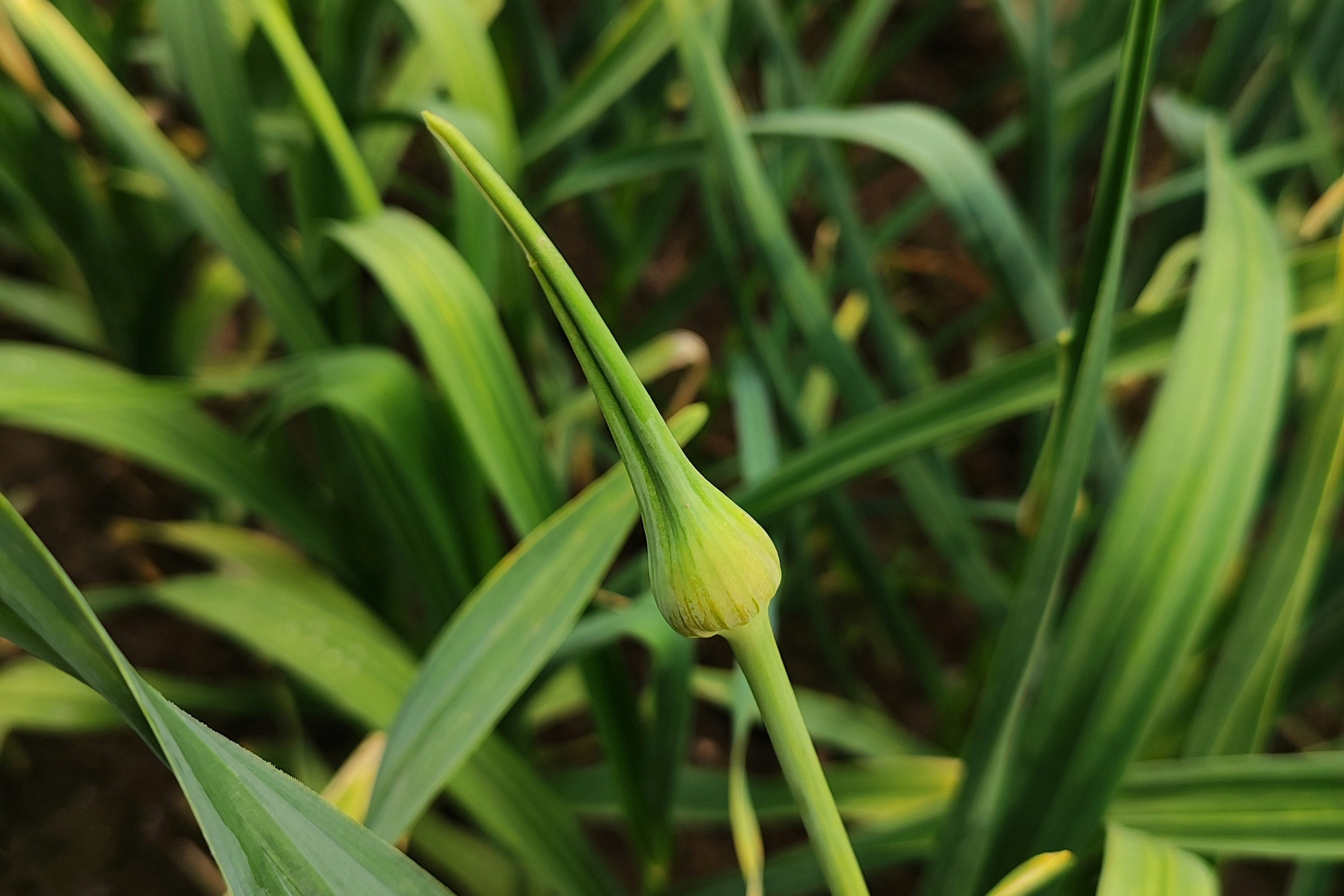
Know that you would not see sprouts until mid to late spring, even if you did plant in November. There is not much care you can do until then, but don’t worry, we will be back to tell you what you can do once that time comes!
Happy Planting, Stay Curious!
 Outer Haven