
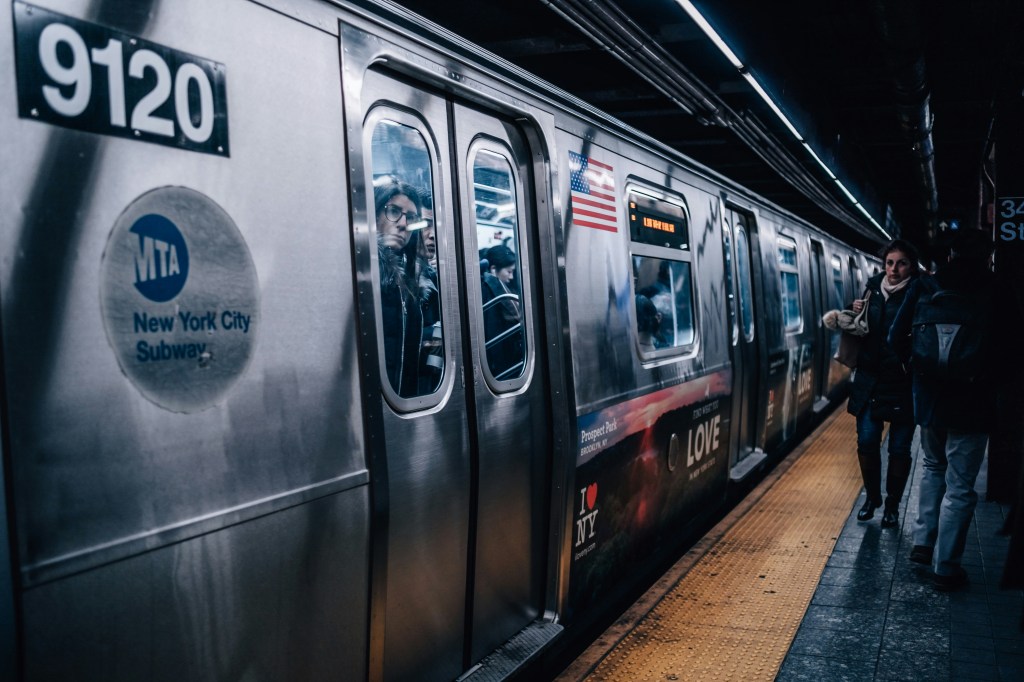
Another fare hike, another headache: The MTA’s $3 swipe is coming soon- but with crumbling service, endless delays, and congestion pricing looming, riders are asking: What exactly are we paying for?
The MTA subway system, the beating heart of New York City’s transit network, is about to cost more to ride — again.
Starting January 2026, the base subway and bus fare across New York City will increase from $2.90 to $3.00, marking the second hike in just over two years. For many riders, the jump in price feels like a tipping point in a summer already riddled with train delays, platform meltdowns, and a city that getting increasing more expensive to live in.
A Fare Bump …
Timing could not be any worse for subway riders. July brought a wave of heat-related delays, signal issues, and packed platforms. Riders have shared stories of standing motionless in tunnels for up to 40 minutes, as uncooled cars and platforms reach stifling temperatures.
“I feel like I’m paying more to suffer,” said Melanie Ruiz, a hospitality worker from Queens. “And now it’s $3 to bake on the F train?”
The MTA argues the fare hike is needed to maintain service, cover operating costs, and adapt to post-pandemic ridership patterns – which remain about 25% below 2019 levels, especially on weekdays.
Follow the Money
Meanwhile, New York’s congestion pricing program launched this past January. Cars entering Manhattan below 60th Street during peak hours are now charged $9–$15, depending on vehicle type and time of day. The plan is expected to raise $1 billion annually for the MTA.
So why the hike in fares if the MTA is expected to cashout potentially a billion?
There are two distinctions in where the money is going. Congestion pricing revenue is locked in the MTA’s capital budget. Meaning that it is aimed to fund long-term upgrades, like new train cars, elevator installations, and modern signaling systems. The other source of revenue is from the fares which goes into the operating budget. This pays for everyday expenses like salaries, fuel, and maintenance.
The Metropolitan Transportation Authority (MTA) says the fare increase is necessary to help stabilize its operating budget, which still hasn’t fully recovered from pandemic-era ridership losses. In a statement, MTA Chair and CEO Janno Lieber said the decision was “carefully considered,” and emphasized that fare discounts -like monthly unlimited passes and Fair Fares for low-income New Yorkers – remain available.
“Congestion pricing fixes the future,” said transit researcher Sarah Kaufman of NYU’s Rudin Center. “Fare hikes, as frustrating as they are, are what keep the trains running today.”
Budgeting a Future
Congestion pricing is already bringing in hundreds of millions in revenue. In May 2025 alone, tolls generated $61 million. But that money won’t patch service slowdowns this weekend or replace aging signals tomorrow. Instead, it’s earmarked for upgrades years in the making – part of a $15 billion capital plan.
Meanwhile, fare hikes continue to fill the MTA’s still-shaky day-to-day budget. Federal pandemic aid is nearly depleted, and with inflation and wage costs rising, the system still faces serious financial pressure.
The Ride Ahead
Riders may not feel the benefits yet, but behind the scenes, the pieces are moving:
- Platform screen door pilots are being tested at select stations
- The MTA is phasing in air-conditioned trains on the A and 6 lines
- Congestion pricing is funding ADA accessibility projects in stations across the five boroughs
The MTA provides a mode of transportation that ideally is less expensive than owning a car in NYC – and more sustainable too. With pricing increasing all over the city, from housing to groceries, public transit remains one of the few systems designed to keep the city moving affordably and equitably.
Still, skepticism remains.
“I’ll believe the improvements when I see them,” said Ruiz, a subway rider. “Right now, I’m just trying to get to work without a meltdown – literally or mentally.”
 Outer Haven