
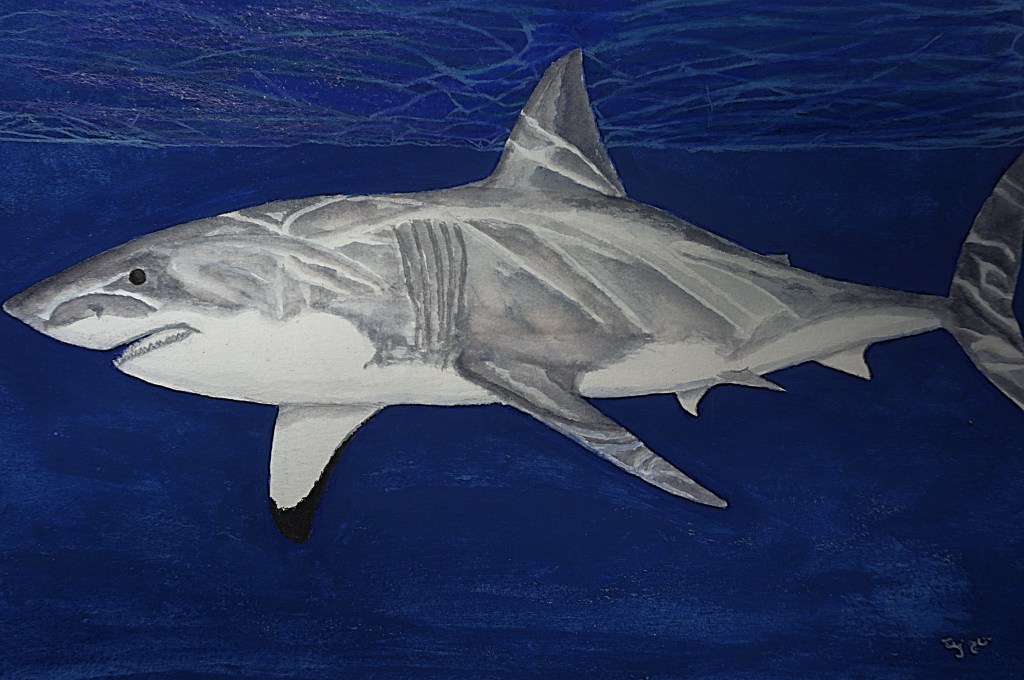
Sharks are swimming closer to New York’s shores — and while the headlines might sound alarming, scientists say it’s actually a sign of something good.
This summer, beachgoers at Rockaway and Jones Beach have become used to the unexpected: a red flag waved by lifeguards, whistles blowing, and swimmers quickly leaving the water. A shark has been spotted. Again.
Drones flying above the shoreline have captured the shadows of sand tiger sharks or sandbars patrolling the shallows, sometimes just yards from people cooling off in the waves. There’s been a minor bite off Long Island. Beaches have briefly closed. And the headlines follow.
But the presence of sharks in New York’s waters isn’t new. What is new is the frequency with which we’re seeing them and the tools we have to detect them. Marine biologists and conservationists say shark sightings aren’t a cause for alarm. On the contrary, they suggest that New York’s marine environment is healthier than it has been in decades.
Why Are There More Sharks?
Two words: Food and Temperature
“We have been seeing more sharks coming up to Long Island then in previous years” says Taj Sarwar, an early career coastal ecologist who has worked for several state conservation agencies and non-profit organization. Sarwar has specialized with sharks.
Decades of water pollution, overfishing, and habitat loss pushed marine predators like sharks far from New York’s coastline. But in the last decade, cleaner water and stricter fishing regulations have brought back massive schools of Atlantic menhaden, also known as bunker–small, oily fish that form the base of the ocean food chain, and feed a variety of predators.
Warmer coastal waters caused by climate change also play a role. Sharks have preferred temperature ranges, and as New York’s winters become milder and ocean temperatures rise, those once-subtropical waters are creeping north. According to Sarwar, even species like spinner sharks–once uncommon this far north–are now regular summer visitors.
Sharks can only tolerate certain temperatures. With the winter being milder, sharks are more likely to stay longer before migrating south. Scientist at Stony Brook University have observed different species of sharks elongating their stay from one to 29 extra days.
The Greats are New Yorkers- Even Great Whites
Long Island, while have amazing beaches, also have important shark nursery. Places like the Great South Bay and oceans around New York have special habitats that are perfect for raising sharks
“That’s where baby white sharks will spend their first years to learn how to hunt and grow. Once they are bigger with more experience, they will move out from those estuaries and out to the open ocean” says Taj Sarwar.
These nursery habitats are shallow water with high sources of food- like the bunker fish. They also provide protection from other predators- other bigger sharks.
Sand tiger sharks are also known to have nurseries in similar areas. Both of these sharks, and others only stay for the summer, however climate change has an effect to when they leave.
What Sharks Are We Actually Seeing?
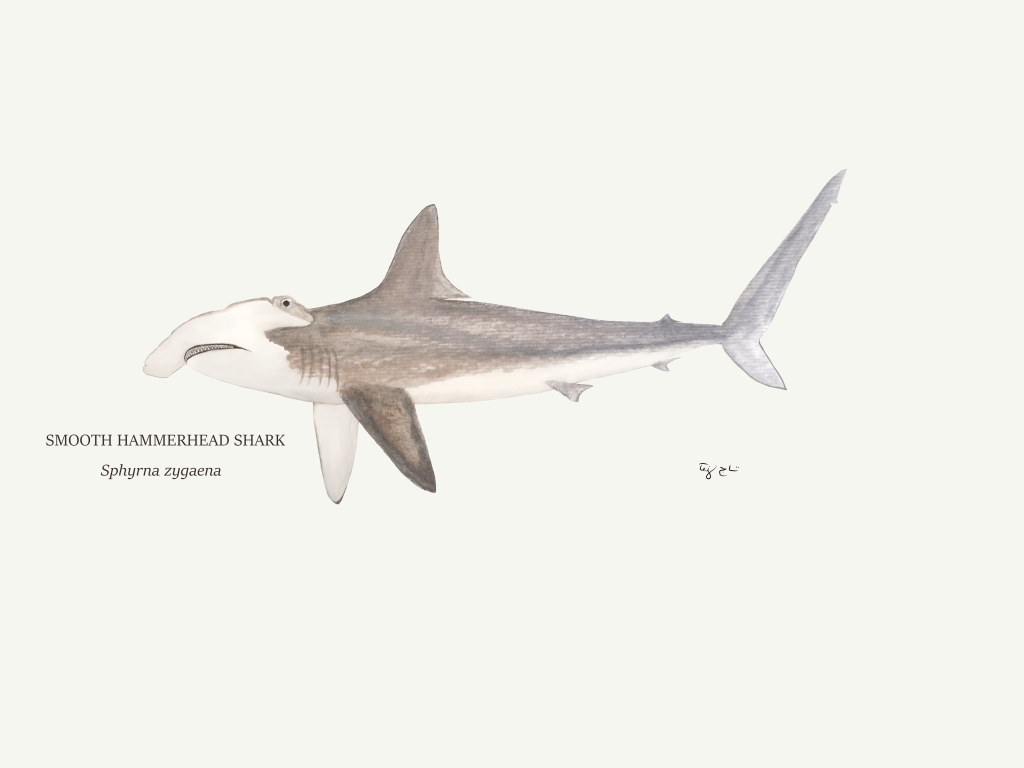
Sharks spotted off New York beaches are rarely aggressive species. According to marine scientists and the DEC, the most commonly seen are:
- Sand tiger sharks – Slow-moving and often mistaken for more dangerous sharks due to their spiky teeth. Generally docile.
- Sandbar sharks – Known for their tall dorsal fins; tend to avoid humans.
- Smooth dogfish – Small and harmless bottom-feeders.
- Juvenile great whites – young, fish-eating individuals
- Spinner sharks – a newer visitor, known for leaping and spinning above the surface.
This coast can get multiple other species of sharks such as hammerheads, Atlantic blacktips, and more off the shore and deeper into the ocean. As ocean temperature rises, different species of marine life, like Spinner sharks, are more likely to explore new areas in which they are not particular known to visit.
These sharks typically patrol shallow areas chasing fish—not swimmers. Most pose little to no threat.
Are Shark Attacks Increasing?
The short answer is no.
Despite heightened awareness and several minor bites since 2022, New York has not seen a significant spike in dangerous shark incidents. All reported bites have been non-lethal, often minor scrapes caused when a shark mistook a human limb for prey in murky water.
” ..It’s [The ocean] a wild environment and then there is some risk associated with that. But there are no sharks that are going out of their way to attack humans They were not a part of their diet… A lot of a lot of shark species are quite picky.
I’m not trying to downplay the amount of like physical and emotional trauma that even like a test bit may have, but would really like to emphasize that sharks are not going after people. That’s just not true”
Taj Sarwar
Sarwar explains that if a shark happens to bite, it is most likely an ‘exploratory bite’. A behavior shark act to see if whether are not they are interested. Most likely looking for their choice of prey, or out of curiosity.
According to the International Shark Attack File, your odds of being bitten by a shark are roughly 1 in 11.5 million. You are more likely to be struck by lightning, stung by a wasp, or injured by a toaster.
And New York is taking the threat seriously: when sharks are detected near beaches, swimmers are evacuated, drones are deployed, and beaches are not reopened until the area is confirmed clear.
A Final Word from a Shark Scientist
When asked about his favorite shark fact, Sarwar lit up.
“I think it’s really cool that lemon sharks are social,” he said. “They hang out with other lemon sharks and they also show preference for different individuals… they’ll help each other out. I think that’s really cute.”
He also reflected on the larger meaning of his work:
“There are a lot of bad things going on in the world… conservation and research science… specifically for climate change… funding for these areas is under attack.”
“It is a privilege to be able to do work in these areas… [preserving] ecological integrity and functioning and services… because we may have engineered ourselves out of food, but we’re still part of the ecosystem and we’re still dependent on it… From the air we breathe, the water we drink, to the food we eat — all of that depends on healthy, functioning ecosystems.”
Sharing the Shore
From surfers to scientists, a growing number of New Yorkers are embracing the reality that our oceans are wild—and that’s how they should be. The return of sharks are a good sign, it is a sign that the marine life and ecosystems in New York are healing. Conservation initiatives, cleaner water, and responsible fishing limits have allowed for healing of a sensitive environment.
Rather than fear, many New Yorkers are learning to respond with curiosity—and even pride.Surfers interviewed by The New York Post shrugged off recent sightings, saying, “We surf with the sharks.”
Yes, sharks are back. But they’re not monsters. They’re a reminder that even in one of the most urbanized regions of the world, nature is still resilient. And that’s something worth celebrating.
 Outer Haven