
Revised June 28 2025
Think NYC summers feel more like Miami lately? You’re not imagining it, the city is quietly becoming subtropical. Here’s what that means for your future.
This past week, New York City experienced a dangerous heatwave. Temperatures crept toward 100°F, with humidity pushing the heat index well beyond 105°F. City officials issued warnings, cooling centers opened across boroughs, and emergency calls surged. But this wasn’t just an uncomfortable blip—it was a sign of a deeper, permanent shift.
According to updated climate data and global classification standards, New York now meets the criteria for a humid subtropical climate. Temperatures more associated with cities like Atlanta or coastal Virginia. In scientific terms, it means our summers are hotter and more humid, and our winters are warmer and less distinct.
From Temperate to Subtropical: How Did We Get Here?
Not by city declaration, but by science – New York City is now considered subtropical.
The shift comes from the Köppen-Geiger climate classification system, a tool used by climatologists to categorize regions based on long-term weather patterns. Under its criteria, a “humid subtropical” (Cfa) climate must have:
- Average summer temperatures above 72°F
- Winter averages above 27°F
As of the most recent 30-year climate normals (1991–2020), New York has on average met these thresholds. This change isn’t a surprise, it reflects decades of warming, and the increasing influence of climate change on everyday life.
While you won’t see a city announcement or headline saying “New York Is Now Subtropical,” the shift is real and backed by science.
Forecast: Hotter, Longer, and Unequal

Since 1970, New York State has warmed by approximately 2.4°F. Heatwaves now last longer, arrive earlier, and hit harder. Projections from the Union of Concerned Scientists predicts the city could see 33 or more days above 90°F annually by 2050, nearly double what we experience today. The
But climate change doesn’t affect everyone equally.
Low-income neighborhoods with less green space, like parts of the South Bronx or East New York, can be up to 10°F hotter than leafier areas like Riverdale. This is the urban heat island effect, intensified by pavement, traffic, and a lack of tree canopy.
For residents without access to air conditioning, high heat is more than an inconvenience. It can be fatal. Those that are vulnerable and living in urban areas have higher exposure to heat stroke and heat exhaustion. Especially, if blackouts were to happen due to high electricity use, could effect all New Yorker’s health. There is even increasingly, those dangers persist after sunset, as nighttime temperatures often remain above 75°F, offering no relief.
The Environmental Ripple Effects
Humans are not the only ones feeling the heat.
New York’s plants and animals are being pushed out of their comfort zones. Iconic hardwoods like sugar maples may struggle to thrive by the end of the century. Migratory birds are arriving earlier or altering their routes entirely. Invasive species, like the spotted lanternfly, can flourish with the rise in temperatures.
Subtropical climates also bring a new weather pattern: more frequent, more intense downpours. Such as the rain we have seen most weekends this summer. NYC’s aging sewer system is already overwhelmed by sudden bursts of rain. Events like the 2021 floods during Hurricane Ida are likely to become more common.
Adapting to the New Normal
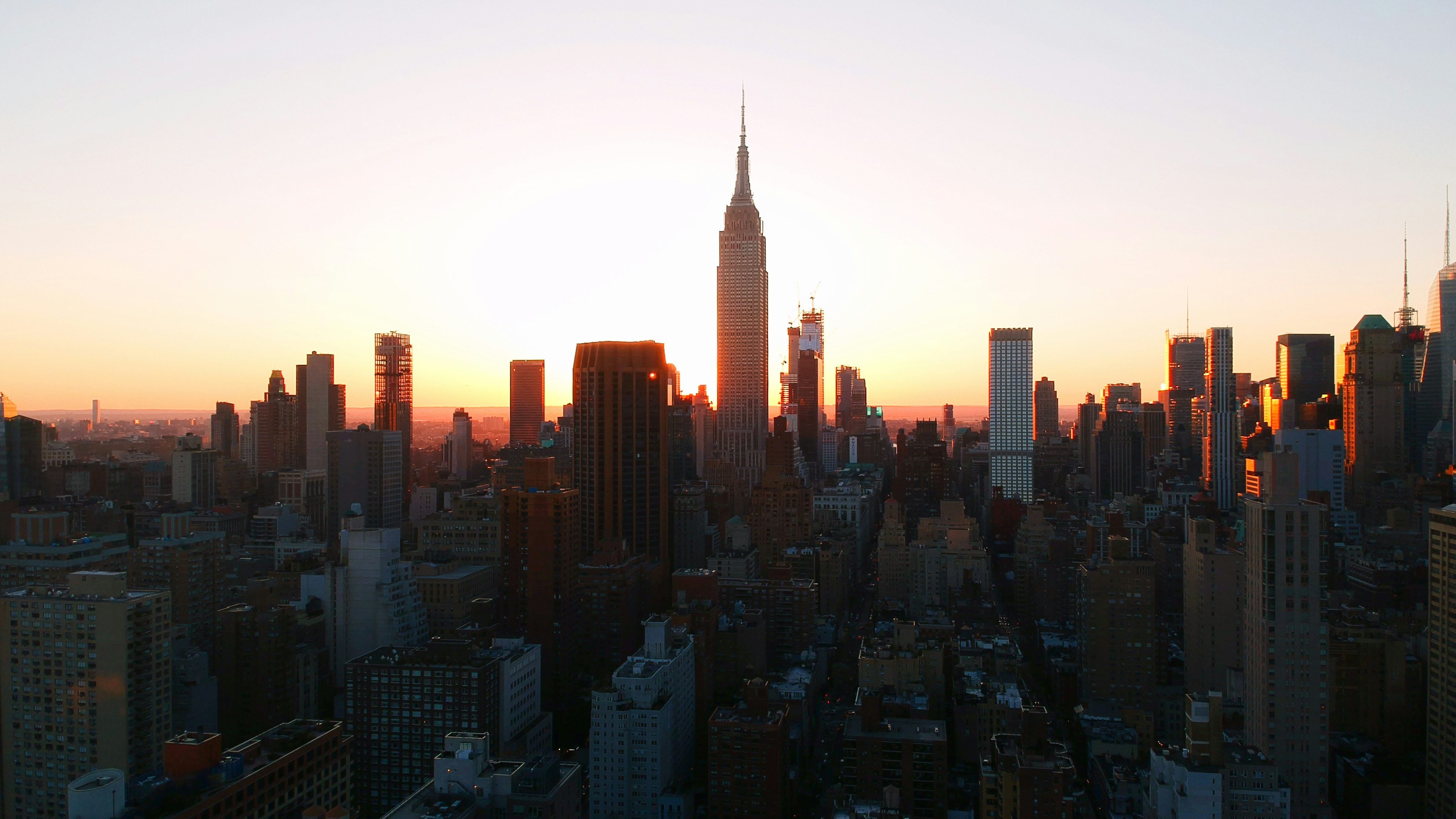
The good news? NYC is responding-slowly but surely.
The Cool Neighborhoods NYC initiative is planting trees in heat-vulnerable zones, applying reflective coatings to rooftops, and expanding hydration infrastructure in at-risk areas. Building codes are shifting. Public awareness campaigns are growing. But many advocates warn the pace is not fast enough.
At the same time, regional and national climate strategies, from building electrification to flood-resilient infrastructure, are aiming to prepare the city for a hotter, wetter future.
It’s a taste of what could come
The reclassification of New York City’s climate isn’t just a scientific curiosity– it’s a climate reality. Our skyline, streets, and social systems were built for a different kind of weather. Although now we much adjust, it is imperative to acknowledge that this does not solve the issue but only help alleviate the symptoms.
This summer may only be the beginning. And while the heat is rising, so is our opportunity- to rethink how we live, how we build, and how we care for one another in the age of the subtropics.
 Outer Haven