
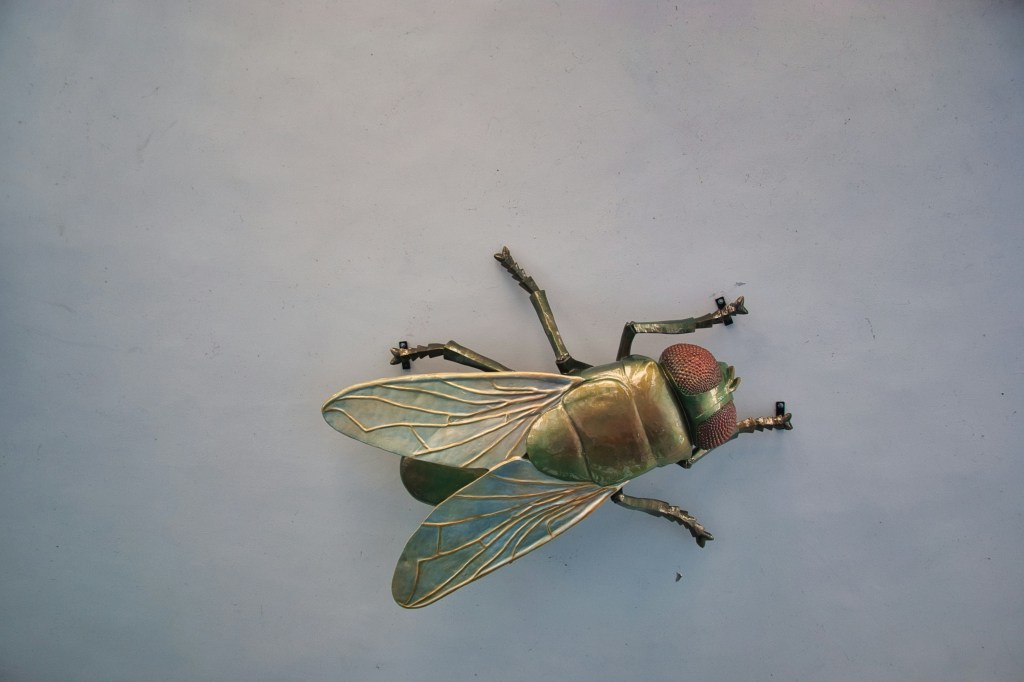
Summer in NYC means rooftop drinks, lazy park days–and an army of biting bugs. But these pests aren’t just annoying; Some pack serious health threats, from West Nile virus to Lyme disease. Here’s what’s lurking in the shadows–and how to fight back!
The Defense Against Mosquitoes
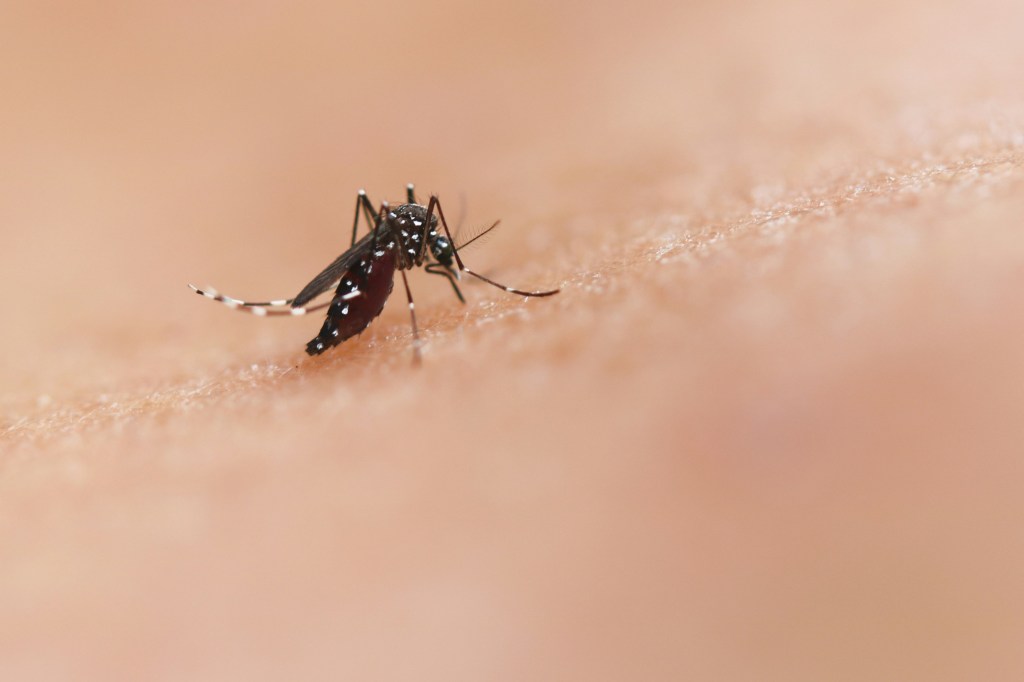
Mosquitoes are notorious for causing itchy bug bites. They are also well-known for their ability to spread disease. In NY Mosquitoes seasons runs from April through October, with peak season in the hot and humid months. This year, the NYC Health Department has launched its first aerial larviciding operation of the year. The operation took place over nonresidential marshes in the Bronx, Brooklyn, Queens, and Staten Island from June 2 to 4, 2025, with the goal was to kill mosquito larvae before they grow up and bite. These actions are part of an annual effort to reduce mosquito-borne diseases like West Nile virus.
So far, no human cases of West Nile virus have been reported in 2025, but city officials are on high alert. Surveillance traps and lab testing are used to monitor infected mosquito populations throughout the season.
Tips to limit your interactions with Mosquitoes:
- Eliminate standing water where mosquitoes breed (flower pots, buckets, gutters).
- Plant scented plants like Lavendar, Marigolds, rosemary, lemongrass and more
- Wear long sleeves and pants when outdoors, especially at dusk and dawn.
- Avoid wearing dark colors, as this attracts mosquitoes
- Use EPA-registered repellents with DEET, picaridin, or oil of lemon eucalyptus.
Tiny Terrors in Parks and Yards
Mosquito season also is Tick season. Ticks can be found in grassy, wooded areas, like Central Park, Staten Island Greenbelt, and especially Long Island. Emergency rooms in the region have seen a near doubling of tick-bite visits between April and May 2025.
The most concerning species is the blacklegged tick (or deer tick), known to transmit Lyme disease, which can cause fatigue, joint pain, and neurological symptoms. Other species found in NYC include:
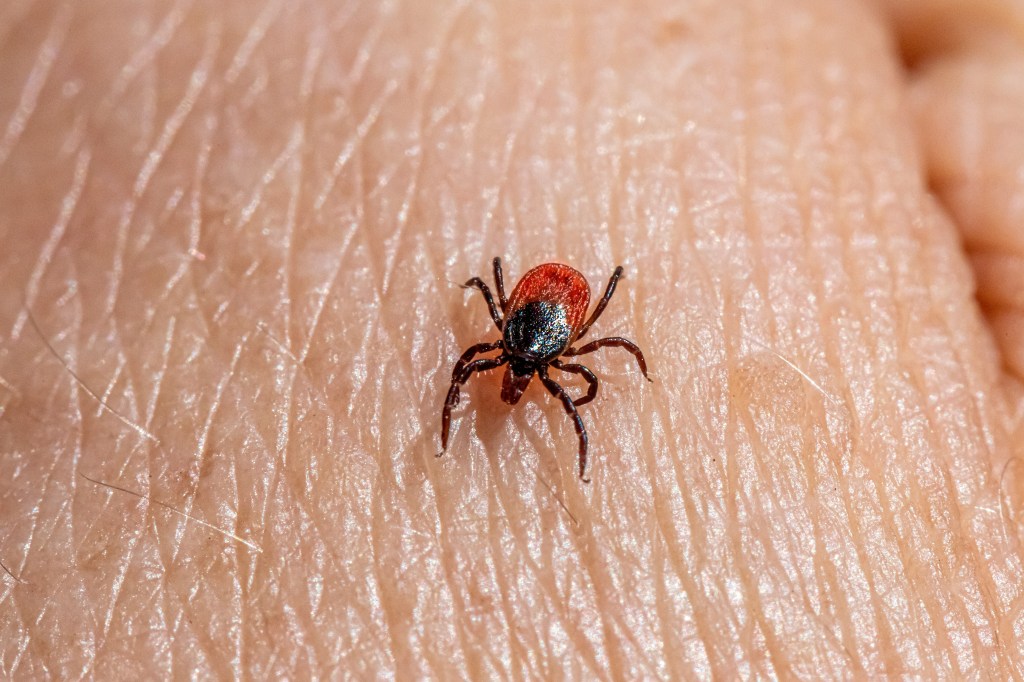
- Lone star ticks – Linked to red meat allergy and ehrlichiosis
- American dog ticks – Carry Rocky Mountain spotted fever
- Asian longhorned ticks – Can reproduce without mating and spread rapidly
Tick protection tips:
- Do a full-body tick check after being outdoors, including behind ears and underarms, for yourself and pets!
- Use permethrin-treated clothing and 20–30% DEET repellent on skin.
- Stick to the center of trails when hiking.
Other Nuisances
While mosquitoes and ticks grab headlines, other insects also make their presence felt:
- Biting midges (aka “no-see-ums”) are tiny enough to get through screens and can cause severe itching.
- Horseflies and deerflies, while less common in NYC proper, can appear in wetlands and wooded parks.
- Chiggers, though rare in NYC, have been spotted in grassy urban areas and can leave intensely itchy bites.
These bugs are mostly a nuisance rather than a danger, but using repellent and covering skin can keep them at bay.
Why It Matters: Public Health, Climate, and You
Increased warmth and humidity, both tied to climate change, are expanding the range and season length for many biting insects in the Northeast. Some scientists even predict that disease-carrying bugs will become more prevalent in urban areas like NYC as temperatures rise and precipitation patterns shift.
Biting insects may be small, but their collective impact on public health is huge. Taking preventive steps now helps protect not just you, but your neighbors and community.
Whether you’re picnicking in Central Park or heading to the beach in Long Island, knowledge is your best protection. Summer should be about sunshine and fresh air—not bug bites and ER visits. Stay informed, stay prepared, and don’t let these bugs ruin your city adventures.
 Outer Haven