
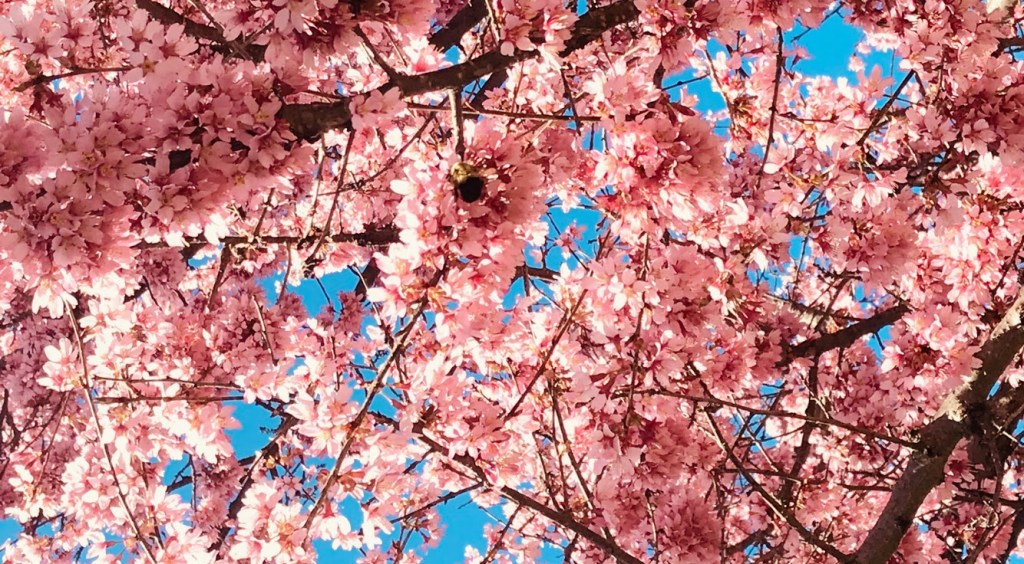
From the Brooklyn Botanic Garden’s petal-lined paths to Central Park’s hidden groves, cherry blossoms explode in a fleeting spectacle, turning spring into a living celebration. But beyond the Instagram filters and picnic crowds, these blooms hold secrets: centuries of symbolism, quiet ecological wisdom, and a reminder that beauty demands to be noticed—before it’s gone.
Where to See Cherry Blossoms in NYC
Blink and you’ll miss it. If you’ve ever wanted to walk through clouds of pink petals, now is the time. Peak bloom typically happens in mid-April, but a mild winter has nudged them open earlier this year.
Here are a few of NYC’s best spots:
- Brooklyn Botanic Garden (BBG) – Home to the legendary “Cherry Esplanade,” BBG features over 200 trees in bloom and even tracks their status online with a bloom map.
- Central Park – The Conservatory Garden, East Drive near 72nd Street, and Pilgrim Hill offer peaceful views of Yoshino and Kwanzan cherry trees.
- Roosevelt Island – Less crowded and framed by skyline views, the cherry trees along the promenade make for a serene experience.
- Flushing Meadows Corona Park – Queens’ cherry blossoms are often overlooked, but offer a more local flavor and fewer crowds.
The Cherry Blossom’s Unexpected Journey

Cherry blossoms (sakura) have been revered in Japan for centuries—emblems of life’s fleeting beauty, where fallen petals symbolize both impermanence and rebirth. But how did these delicate blooms become NYC’s springtime icons?
The story begins in 1912, when Japan gifted 3,000 cherry trees to the U.S. as a diplomatic gesture. Most found fame in Washington, D.C.’s Tidal Basin, but a handful took root in New York—quiet pioneers of the pink wave that now sweeps the city each April. There are events and festables that take pace all around the city, include BBG’s Weekends in Bloom that has events for everyone.
A century later, their legacy has exploded. From scattered saplings to urban spectacles, sakura have become as much a part of NYC spring as yellow cabs and sidewalk brunches. But their roots run deeper than petals—they’re living reminders of cross-cultural bonds, nature’s resilience, and the art of savoring moments that won’t last.
The Ecology of Cherry Blossoms
Beyond their beauty, cherry blossoms play a subtle but vital role in urban ecosystems. Their early spring blooms provide a critical nectar source for pollinators—like bees and butterflies—emerging from winter dormancy. In a city of concrete, these trees also help mitigate the “heat island” effect, their shade cooling sidewalks and their roots absorbing stormwater runoff. Yet they’re surprisingly resilient, adapting to NYC’s erratic winters and humid summers. Their brief bloom is a masterclass in efficiency: a race to reproduce before the canopy fills in. For all their fragility, sakura are quietly tough—just like the city they’ve come to symbolize.
Why Are Cherry Blossoms Blooming Earlier Each Year?
You’re not imagining it—cherry blossoms in NYC really are blooming earlier than they used to. And climate change is the culprit.
Cherry Blossom trees are phenological indicators—a fancy term meaning they respond to seasonal environmental changes, especially temperature. As winters get shorter and springs warm up sooner, the trees interpret the signals as “It’s go time,” and their buds open earlier.
This matters because:
- Too-early blooms risk being damaged by late frosts.
- The timing can affect pollinators, ecosystems, and even tourism.
Bloom-Time Snapshot: NYC vs D.C. vs Tokyo
In Tokyo, 2021 saw the earliest bloom in 1,200 years, while D.C. and NYC both show a steady shift toward March and early April. NYC’s exact records are less formal than D.C.’s, but garden data and visual tracking show a clear trend. Peak bloom has shifted about 8 days ahead of historical averages.
Why We’re So Drawn to Them
The blossoms last only a week or two. That fleeting beauty is part of the magic. In Japanese tradition, hanami (flower viewing) is about being present with the blossoms and with others—something we could all use more of.
Their ephemerality reminds us to slow down. To look up. To appreciate something just because it’s beautiful.
 Outer Haven