The sun is out longer, days getting warmer and wetter, and your garden dreams are calling. Whether you’ve got a sunny windowsill, a fire escape setup, or a backyard ready for the season — now’s the time to start your seeds for summer plants.
What You Can Start Indoors Right Now (Mid-April):
Tomatoes – Cherry and slicing varieties can be started now and transplanted in May.
Peppers – Need warmth to germinate, so starting them indoors is ideal.
Cucumbers & Squash – These can be started now for transplant in 2–3 weeks.
Basil & Herbs – Perfect for windowsills or containers, and easy to grow from seed.
Zinnias & Marigolds – Want flowers too? These pollinator-friendly blooms are great for beginners.
Why Starting Seeds Indoors?
Starting seeds indoors gives your plants a head start while the weather is still unpredictable. By the time the ground warms up in May, you’ll have strong little seedlings ready to transplant outside — saving money and giving you a longer growing season.
There does not need to be a fancy setup to start going — just light, warmth, and a little creativity. Here are budget-friendly ways to start seeds indoors!
Light Hacks
South-facing windows give the most light. Rotate trays daily for upright growth.
Clip-on grow bulbs (under $15) turn any corner into a mini greenhouse.
Full-spectrum desk lamps work great in a pinch.
DIY Containers
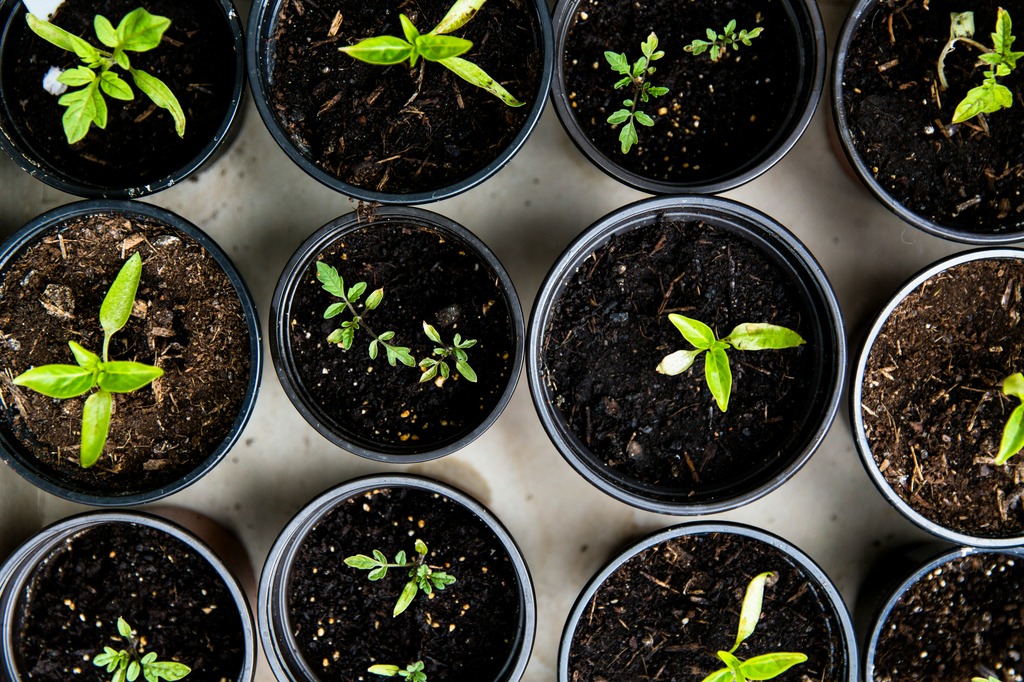
Reuse yogurt cups, berry containers, or takeout trays — poke drainage holes in the bottom.
Use egg cartons or toilet paper rolls for small or deep-rooted seedlings.
Label with old chopsticks, popsicle sticks, or cut-up cereal boxes.
Soil on a Budget
Seed-starting mix is often less than $5 a bag.
Mix your own: 1 part coconut coir or peat moss, 1 part vermiculite/perlite, 1 part compost.
NYC tip: Some compost drop-offs and community gardens offer free compost in spring!
Reuse & Recycle
Turn a clear salad container into a humidity dome.
Spray bottles from old hair products make perfect misters.
Place your DIY greenhouse on a warm surface like the top of your fridge to boost germination
Feed Your Soil (and Yourself)
What you Feed your Soil is what You feed Yourself
Healthy soil equals healthier, tastier produce — whether you’re gardening in pots or backyard beds. Soil rich in organic matter supports beneficial microbes that helps plants absorb nutrients like nitrogen and phosphorous, leading to more nutritious and resilient produce. Soil that is fed with compost and organic matter store more carbon, retain more water, and reduce erosion, helping gardens bounce back from drought or heavy rain.
Apartment Gardeners (Containers & Small Spaces):
Compost – Add to potting mix for nutrients.
Rice Hulls – Boost aeration (more eco-friendly than perlite).
Worm Castings – Improve soil life and plant growth.
Perlite or Vermiculite – Helps drainage and root development.
Backyard Gardeners:
Compost – Apply a 2–3 inch layer before planting.
Aged Manure – Long-term nutrient boost.
Bone Meal – Supports strong roots and blossoms.
Leaf Mold – Increases water retention and structure.
Mulch – Protects and feeds your soil as it breaks down.
Easy Seed Starting Tips
Use a seed-starting mix, not regular soil.
Label everything — seedlings look identical early on.
Keep soil moist (a spray bottle helps).
Provide plenty of light — use a grow light or sunny window.
“Harden off” plants by placing them outside for a few hours each day before transplanting.
Pro Tip: Direct-Sow Options
No time for seed trays? Leafy greens like lettuce, spinach, and radishes can be planted directly in containers or backyard beds now and harvested in just a few weeks.
🍅 Coming Soon:
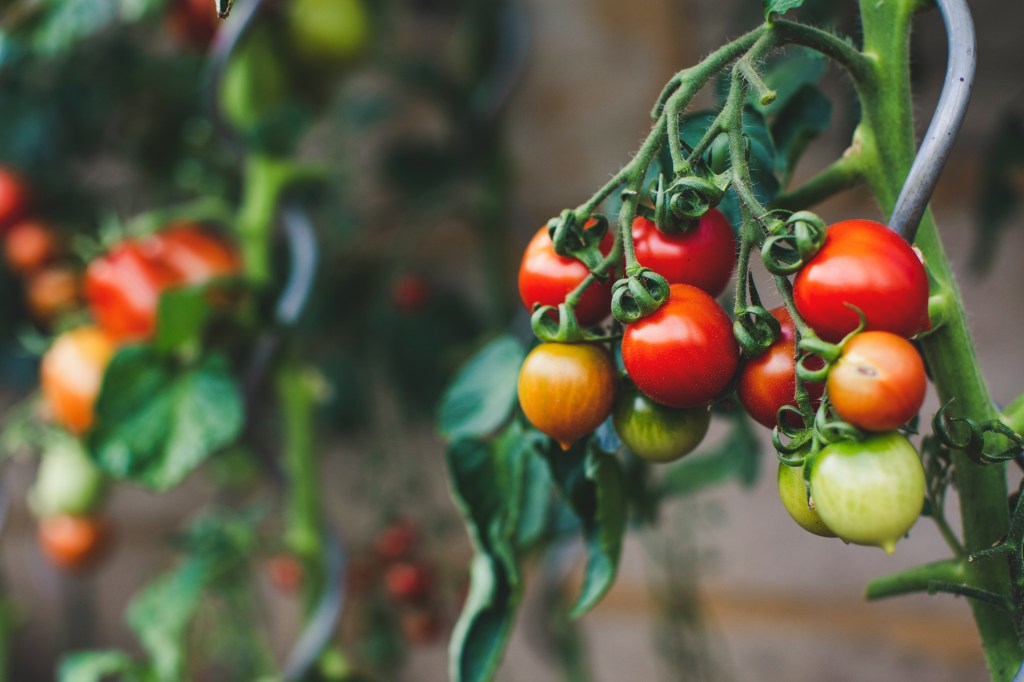
Stay tuned for next week’s Flora Friday, where we’ll dive into how to grow tomatoes in small spaces — from heirloom varieties to juicy cherry tomatoes perfect for patios.

 Outer Haven