

Forget the ‘look, don’t touch’ rule! Flowers are potent forces, enriching our food, sparking revolutions, and even saving lives (like the life-saving aspirin!). Next time you see a bloom, remember it’s a silent powerhouse. Whether you have a sun-drenched balcony or a dimly lit studio, discover low-maintenance flowers for NYC apartments that thrive despite neglect, subway fumes, and strict landlord policies. Easy-to-grow flowers you will love. Ready to bring a touch of nature and rebel with resilient petals?
You cannot eat all flowers. However, those that are edible can have a variety of unique flavors and effects. For example, Chamomile can be brewed into a calming tea and good for garnish or decor. So what are the flowers you would like to grow and eat? Here are some easy to grow flowers:
Choosing the Right Flowers
Edible flowers not only add beauty to your space but can also be incorporated into your meals, drinks, and even skincare routines. Here’s a list of 11 popular edible flowers, their uses, growing tips, and difficulty levels:
1. Chamomile (Difficulty: 2/5)
- How to Consume: Chamomile flowers are often used to make calming teas. They can also be added to baked goods for a mild, floral flavor.
- How to Grow: Chamomile prefers full sun and well-drained soil. It’s easy to grow from seed and requires regular watering. It’s best to grow it in containers or small garden beds.
2. Marigold (Difficulty: 2/5)
- How to Consume: Marigold petals are edible and can be used in salads, soups, or as a garnish. They have a mildly peppery flavor.
- How to Grow: Marigolds thrive in full sun and well-drained soil. They are easy to grow from seed and are quite resilient, making them beginner-friendly.
3. Lavender (Difficulty: 3/5)
- How to Consume: Lavender can be used in baking (e.g., cookies, cakes), teas, or in savory dishes like roast lamb. The flowers also make soothing oils.
- How to Grow: Lavender prefers full sun and well-drained, slightly alkaline soil. It requires regular pruning to maintain its shape and prevent leggy growth.
4. Nasturtium (Difficulty: 2/5)
- How to Consume: Both the flowers and leaves are edible with a peppery flavor. Add them to salads, sandwiches, or use as a garnish.
- How to Grow: Nasturtiums are very easy to grow from seed. They prefer full sun and well-drained soil and do well in containers or hanging baskets.
5. Pansy (Difficulty: 1/5)
- How to Consume: Pansy petals have a mild, sweet flavor and can be used in salads, cakes, or frozen in ice cubes for decorative drinks.
- How to Grow: Pansies prefer cool weather and can grow in partial sun. They are easy to grow from seeds or starter plants and are low-maintenance.
6. Borage (Difficulty: 2/5)
- How to Consume: Borage flowers have a cucumber-like taste and are often used in salads, ice cubes, or cocktails.
- How to Grow: Borage thrives in full sun and well-drained soil. It is a self-seeding annual that’s relatively easy to grow but can spread quickly.
7. Rose (Difficulty: 4/5)
- How to Consume: Rose petals are often used in syrups, teas, jellies, and desserts. They add a fragrant, slightly sweet flavor.
- How to Grow: Roses need full sun, well-drained soil, and regular pruning. While they can be more challenging, they’re highly rewarding with the right care.
8. Hibiscus (Difficulty: 3/5)
- How to Consume: Hibiscus flowers are often used to make tart teas or as a garnish in cocktails. They’re rich in antioxidants.
- How to Grow: Hibiscus prefers full sun and well-drained soil. It thrives in warm climates, so it may need to be grown in a container and brought indoors during the colder months in NYC.
9. Violet (Difficulty: 1/5)
- How to Consume: Violets are sweet and can be used in syrups, as a garnish, or in desserts like candied flowers.
- How to Grow: Violets grow best in partial shade and moist, well-drained soil. They are relatively easy to grow and can tolerate colder temperatures.
10. Dandelion (Difficulty: 1/5)
- How to Consume: Dandelion petals are edible and can be used in salads or made into dandelion wine. The leaves and roots have medicinal properties.
- How to Grow: Dandelions grow easily in almost any soil, making them a hardy and low-maintenance option. They can be found growing naturally in many places.
11. Chives ( Difficulty: 1/5)
- How to Consume: Chive flowers have a mild onion-like flavor and are great for adding a subtle, fresh taste to salads, soups, and garnishes. The leaves can be used fresh or dried in savory dishes like omelets, mashed potatoes, or sauces.
- How to Grow: Chives are very easy to grow and thrive in full sun or partial shade. They prefer well-drained soil and require minimal maintenance. They can be grown in containers or garden beds, and once established, they are hardy perennials that will come back year after year.
Each of these edible flowers offers not only beauty but a range of flavors and health benefits. Some, like pansies and clover, are easy to grow. Others, like roses and lavender, may require a bit more care. Start small with a few easy-to-grow options and gradually expand your garden as you become more comfortable!
Some tips to Think About
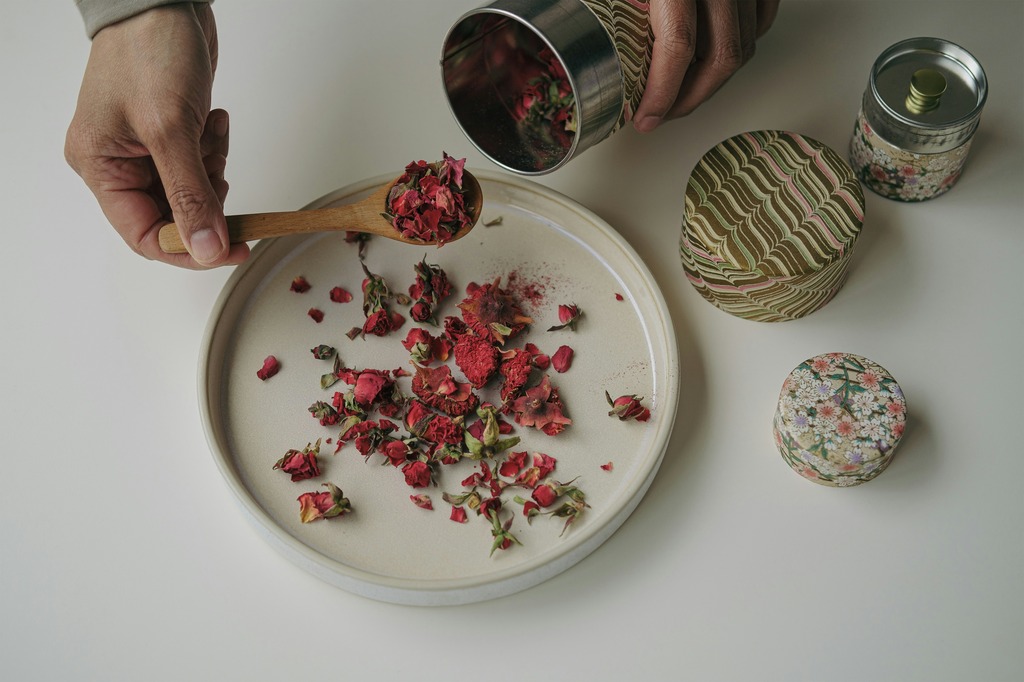
Many of these edible flowers can be easily started from seeds. By following seed packet instructions, you can make sure that they are spaced apart and planted at the right depth. Know that edible flowers generally prefer evenly moist soil but not soggy. Water when the top inch of soil feels dry. Keep an eye out for pests like aphids. A gentle spray of water or an organic insecticide can keep them under control without harming your flowers
Once your edible flowers start blooming, you can begin harvesting them. Pick flowers in the morning when the flavors are most potent. Only harvest what you plan to use, as fresh flowers can spoil quickly.
Chive Blossom Herb Butter
This fragrant herb butter is perfect for spreading on warm bread, melting over grilled vegetables, or topping a juicy steak!
Ingredients:
- 1/2 cup (1 stick) unsalted butter, softened
- 2-3 chive blossoms, finely chopped (including some tender green stems)
- 1-2 tablespoons fresh herbs (e.g., parsley, thyme, or dill), finely chopped
- Zest of 1 lemon
- Salt and pepper to taste
Instructions:
- In a small bowl, combine softened butter, chopped chive blossoms, fresh herbs, and lemon zest.
- Mix thoroughly until well combined.
- Season with salt and pepper to taste.
- Transfer the butter mixture onto a piece of parchment paper or plastic wrap. Roll into a log and twist the ends to seal.
- Chill in the fridge for at least 1 hour to let the flavors meld.
- Slice and serve over grilled meats, veggies, or bread!
Tip: For a floral twist, add a touch of honey for a slightly sweet herb butter.
 Outer Haven