
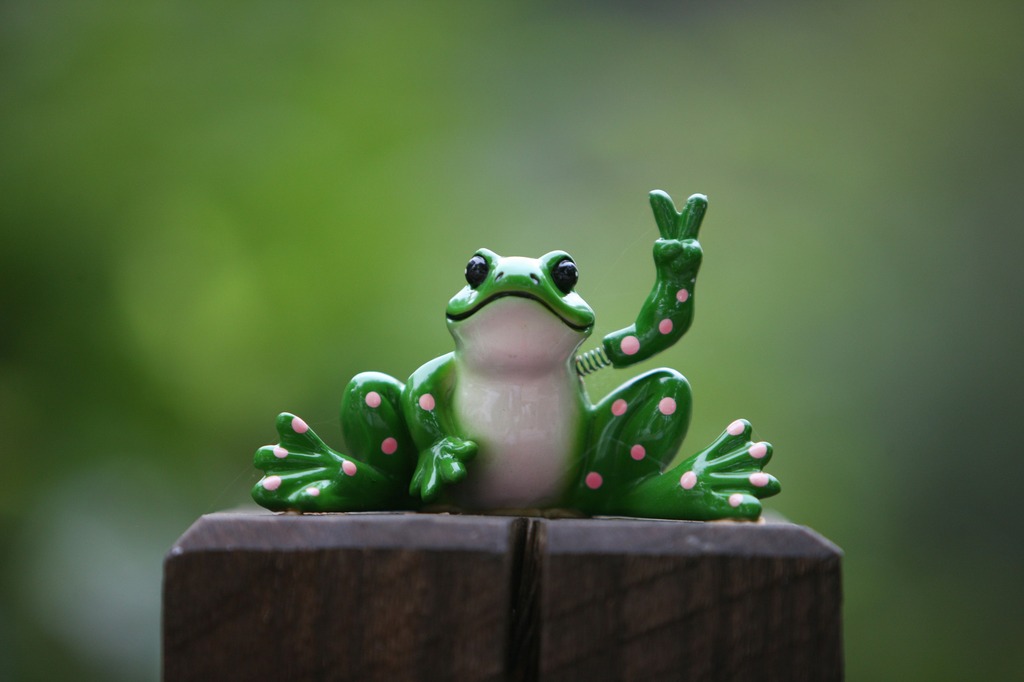
March 20,2025- Today marks World Frog Day, an annual observance dedicated to raising awareness about the critical role frogs play in ecosystems and the increasing threats they face. Conservationists, researchers, and environmentalists worldwide are using this day to spotlight ongoing efforts to protect these amphibians before they vanish.
Frogs are more than just an integral part of folklore and backyard ponds. As bioindicators, their presence—or absence—can signal environmental health. They help control insect populations, serve as food for predators, and contribute to the fragile balance of wetland ecosystems. However, habitat loss, pollution, climate change, and disease have driven many frog species toward decline.
Frogs in New York City: A Local Perspective

New York City do not only contain pigeons, subway rats, and worms there is an abundance of nature right in our local parks. New York City is home to surprising variety of native frogs such the gray tree frog, bullfrog, and spring peeper. In fact you many not have to go far to spot these little critters. New York City has a of network of nature preserves and parks offer refuge for these amphibians. The Staten Island Greenbelt, Central Park’s Turtle Pond, Alley Pond Park in Queens, Van Cortlandt Park in the Bronx, and the Bronx River Forest provide vital wetland habitats. These places allow frogs to breed and thrive. Van Cortlandt Park, with its extensive forests, wetlands, and Tibbetts Brook, serves as a critical area for wildlife conservation within the city.
Even with all this space, frog populations are on the decline. The Atlantic leopard frog, a species native to Staten Island,is in critical condition and may soon be added to the endangered list. This rare amphibian, found in only six locations statewide, is now a priority for conservation efforts. Similarly, the northern cricket frog, once abundant in the region, has seen alarming population declines due to habitat destruction and pollution.
These green spaces face urbanization, water contamination, and climate change – threats that continue to threaten their survival. Conservationists emphasize the importance of preserving these ecosystems to ensure that frogs remain a part of the city’s biodiversity for future generations.
Global Threats, Local Solutions
Frog populations worldwide are declining at unprecedented rates. According to researchers, nearly 40% of amphibian species are threatened with extinction. The chytrid fungus epidemic, which has devastated amphibian populations globally, remains a pressing concern. However, successful conservation programs, like captive breeding and habitat restoration, offer hope.
In urban areas like New York City, green infrastructure projects, such as wetland restoration in parks and eco-friendly water management systems, are providing essential habitats for local amphibians. The recent efforts to establish natural wetlands in city parks demonstrate a commitment to protecting native species, including frogs.
Conservation Efforts and Citizen Action

New York State’s Department of Environmental Conservation (DEC) is taking steps to support frog populations. The Amphibian Migrations and Road Crossings Project, now in its 17th year, has mobilized over 1,000 volunteers to help frogs, salamanders, and toads cross roads safely during their seasonal migrations. This year, conservation groups are also advocating for stronger wetland protections and calling on residents to take small but meaningful actions—such as preserving local water sources and reducing pesticide use—to create frog-friendly environments.
How You Can Help
Whether you’re in the heart of the city or the rural outskirts, there are ways to contribute to frog conservation:
- Support Wetland Protection Laws: Advocate for policies that safeguard amphibian habitats.
- Reduce Chemical Use: Avoid pesticides and fertilizers that can contaminate water sources.
- Participate in Citizen Science: Join local wildlife organizations and contribute to amphibian population monitoring.
- Create Frog-Friendly Spaces: Maintain natural habitats in your backyard or community parks.
As we celebrate World Frog Day 2025, it’s a reminder that these tiny creatures play a giant role in maintaining the health of our planet. Their survival depends on collective action—from scientists to city planners to everyday nature enthusiasts. By making small, sustainable changes, we can help ensure that the croaks and calls of frogs continue to echo through New York’s parks and wetlands for generations to come.
 Outer Haven