
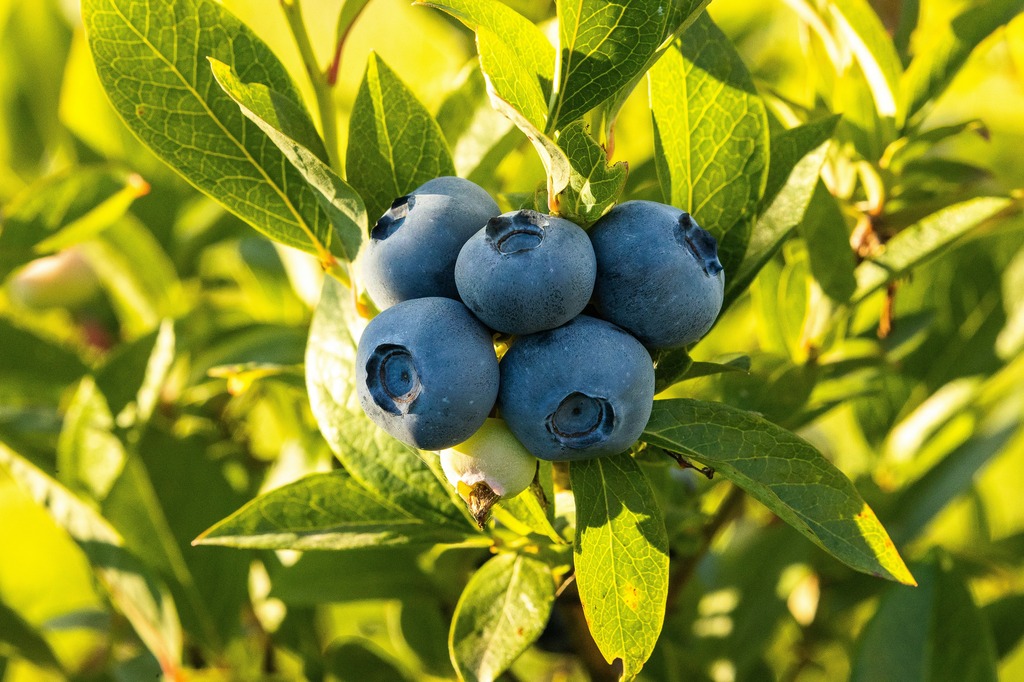
Do you know Blueberries are a Native New Yorker? They are surprisingly easy to grow and one of the most rewarding plants if you are patient. If you are a fan of these berries, know you do not need a huge backyard to grow them!
These purple gems are rich in antioxidants, vitamins C and K, and fiber, these vibrant berries support brain health. They improve heart function and even boost your immune system. Studies suggest that regular consumption of blueberries can help reduce the risk of chronic diseases like type 2 diabetes and heart disease. Plus, they’re naturally sweet, making them a debatable for best snack for at any time of the day.
Growing Blueberries in NYC
Do not be spooked by the idea of growing blueberries. You do not need a big backyard! They can thrive in containers on balconies, rooftops, or small garden spaces. You can cultivate these delicious berries with the right approach.
1. Choosing the Right Blueberry Variety
Since space is limited in NYC, selecting a compact or container-friendly variety is crucial. Here are the best types for urban growers:
- ‘Top Hat’ – A dwarf variety (1–2 feet tall) perfect for containers.
- ‘Jelly Bean’ – Compact, produces sweet berries, and grows well in pots.
- ‘Sunshine Blue’ – Tolerates slightly higher pH levels and is self-pollinating.
- ‘Pink Lemonade’ – A unique pink blueberry that thrives in small spaces.
2. Selecting the Right Container & Soil
- Container Size: Use a pot that is at least 12-16 inches in diameter with good drainage holes. Larger pots help the roots spread and retain moisture better.
- Soil Requirements: Blueberries need acidic soil (pH between 4.5 and 5.5). Standard potting mix is too neutral, so use:
- A mix of peat moss, pine bark, and perlite
- Or, a commercial acidic soil mix (labeled for azaleas or rhododendrons)
- Fertilizing: Use an acid-loving plant fertilizer (such as one designed for azaleas or camellias) every few weeks during the growing season.
3. Sunlight & Placement
- Blueberries need at least 6–8 hours of direct sunlight daily.
- Ideal locations in NYC include south-facing balconies, sunny windowsills, rooftops, or fire escapes (if legally allowed).
4. Watering & Maintenance
- Blueberries like consistent moisture, but avoid waterlogging. Water 2–3 times a week in summer.
- Use mulch (pine needles, bark chips) on top of the soil to retain moisture and maintain acidity.
- Pruning: After the first year, prune dead or weak branches in early spring to encourage new growth.
5. Winter Care for NYC
NYC winters can be harsh, but blueberries can survive with proper care:
- If grown in containers, move them to a protected area (e.g., against a wall or inside a garage).
- Wrap the pot with burlap or bubble wrap to insulate the roots.
- Apply mulch to protect against freezing temperatures.
6. Pollination & Yield
- Some varieties are self-pollinating, but having two different varieties will boost yield.
- Expect fruit within 2–3 years after planting. Peak production happens around years 4–5.
7. Harvesting & Enjoying Your Blueberries
- Blueberries ripen June–August in NYC. Wait until they turn deep blue and come off easily with a gentle tug.
- Store fresh berries in the fridge for up to 2 weeks or freeze them for year-round use
Easy Blueberry Jam Recipe

Ingredients:
- 2 cups fresh or frozen blueberries
- ½ cup sugar (adjust to taste)
- 1 tablespoon lemon juice
- ½ teaspoon lemon zest (optional, for extra brightness)
- ¼ teaspoon cinnamon (optional, for depth of flavor)
Instructions:
- Prepare the Berries – If using fresh blueberries, rinse and remove any stems. If using frozen, no need to thaw.
- Cook the Jam – In a saucepan over medium heat, combine the blueberries, sugar, lemon juice, and zest. Stir occasionally.
- Mash & Simmer – As the berries soften (about 5 minutes), mash them with a fork or potato masher for a smoother consistency. Reduce heat to low and let simmer for 15–20 minutes, stirring occasionally, until thickened.
- Check for Doneness – To test if the jam is ready, place a small spoonful on a cold plate. If it holds its shape and doesn’t run when you tilt the plate, it’s done. If too runny, simmer for a few more minutes.
- Cool & Store – Remove from heat and let cool slightly. Transfer to a clean jar and store in the fridge for up to 2 weeks.
What Can I do with Jam?:
- Spread on toast or bagels
- Swirl into yogurt or oatmeal
- Use as a topping for pancakes or waffles
- Put it in your drinks, for a blueberry Matcha cup or a spiked blueberry lemonade
Blueberries are a delicious and versatile superfood—whether you’re eating them fresh, growing them on your balcony, or blending them into your morning oats, they’re a simple way to boost your health and brighten your day.
 Outer Haven