
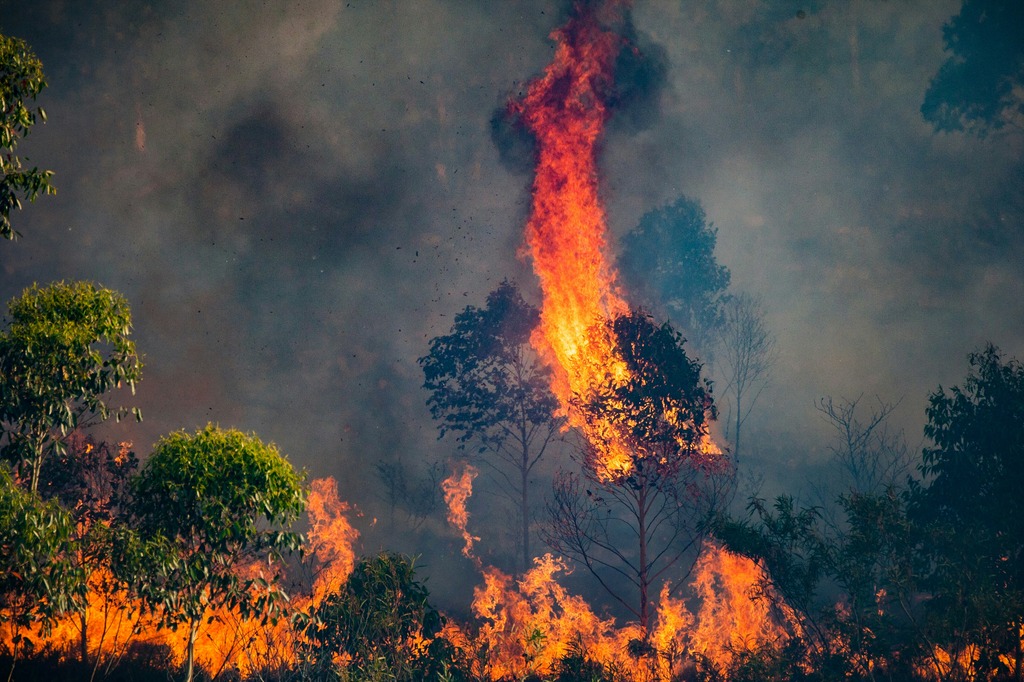
New York is famous for setting trends, shaping culture, and offering breathtaking trails—but lately, it’s been making headlines for a far more dangerous kind of heat: Wildfires.
In recent years, the state has faced an alarming surge in forest and bush fires. The Long Island brush fire this month and the Jennings Creek wildfire are just latest examples of this disturbing trend. Historically rare in the Northeast, wildfires are now becoming a seasonal threat, largely driven by climate change and human activities. Rising temperatures, prolonged droughts, and shifting weather patterns have created conditions ripe for extreme fire events.
A Historical Look: How New York’s Fire Patterns Are Changing
Traditionally, wildfires in New York were small and infrequent, often occurring due to human activity rather than natural causes. However, as the climate crisis worsens, dry conditions and high winds have made the region more susceptible to devastating fires. According to NBC New York, the Jennings Creek wildfire forced emergency evacuations, highlighting the growing danger even in unexpected locations. There have reports on a sharp rise in wildfires within New York City parks. This rise highlights the shift from isolated incidents to recurring threats.
With the increasing rate of wildfires, the New York Fire department announced the first ever BushFire Task force just this past November. The Task Force has several objectives. It aims to contain the fire faster. It will investigate the cause. The Task Force will also gather data and information to better prevent fires.
Why Are Wildfires Increasing?

The increase in wildfires is not random. Studies have shown a direct correlation between climate change and the frequency of extreme fire events. A report from Smithsonian Magazine confirms that wildfires have doubled in frequency and intensity over the past two decades. This is due to rising global temperatures and shifting precipitation patterns. We will likely see this pattern to rise of frequent wildfires, on not only the Northeast coast, but around the world. Here, back home, there are plenty of reasons to see why fires rage on either on their own, or due to people.
Key Factors Contributing to More Fires in New York:
- Rising Temperatures: Warmer seasons mean longer periods of dry vegetation, increasing flammability.
- Prolonged Drought: As reported by Yahoo News, the Northeast is experiencing an extended dry season, raising the risk of widespread fires.
- Stronger Winds and Extreme Weather: High winds, fueled by storm systems, have been spreading fires more rapidly. Especially dry wind added to the fire.
- Shifting Fire Seasons: According to John Bulmer Media, New York’s fire seasons have extended into both spring and fall, increasing the likelihood of large-scale fires.
Case Studies: Recent Wildfires and Their Environmental Toll
The evidence of increasing wildfires is right before our eyes, with recent events over the past year:
- Long Island Brush Fire (March 2025)
- Burned 600 acres in the Pine Barrens region.
- High winds and dry conditions exacerbated the fire’s spread.
- Required extensive firefighting efforts from the FDNY’s bushfire task force.
- Jennings Creek Wildfire (Winter 2024-2025)
- Forced evacuations and burned hundreds of acres.
- Result of drier-than-normal winter conditions.
- Highlighted the increasing unpredictability of fire seasons.
- Urban Park Fires in NYC (Fall 2024)
- Fires reported in Prospect Park, Central Park, and Van Cortlandt Park
- Linked to record-breaking autumn heat and dry foliage.
- Required intervention from city fire crews.
NY’s Wildfire Surge: Ecological Impacts and Climate Fallout
Bushfires can be a natural phenomenon. However, with the increase of bushfires in historically low fire areas, the unusual repercussions of bushfires exponentially increase. Listed are some of the ways fires can negatively impact New York residents and our environment:
- Air Quality & Public Health
- Smoke from wildfires releases hazardous pollutants, worsening respiratory conditions for city dwellers.
- Increased particulate matter poses a major health risk, especially in urban areas.
- Ecosystem Disruptions
- New York’s forests, from Van Cortlandt park to the Adirondacks, are losing critical habitats for native species.
- Fires alter the soil composition, leading to erosion and degraded land quality.
- Carbon Emissions Feedback Loop
- Wildfires release massive amounts of carbon, worsening global warming.
- Forest loss reduces New York’s ability to absorb atmospheric CO2.
Preparing for a Fire-Prone Future: Solutions & Adaptations
While it is hard to completely prevent devastating raging fires, there are actions we can take now to reduce the likelihood of the intensity and destruction it could have. It starts with our own actions. We need to make sure that the fire or grill that is on is properly put out. Proper disposal of cigarette butts, proper handle of fireworks, and electrical equipment. Here are other solutions:
- Stronger Fire Prevention Policies
- Stricter regulations on open flames in parks and forests.
- Increased funding for controlled burns to reduce flammable vegetation.
- Increased funding for proper forest management
- Investing in Fire-Resistant Landscapes
- Urban areas should incorporate fire-resistant plant species.
- Increased water conservation efforts to mitigate drought effects.
- Addressing the Root Cause: Climate Action
- Reducing fossil fuel emissions to slow temperature rise.
- Implementing stronger environmental policies to combat deforestation
When the Embers Settle
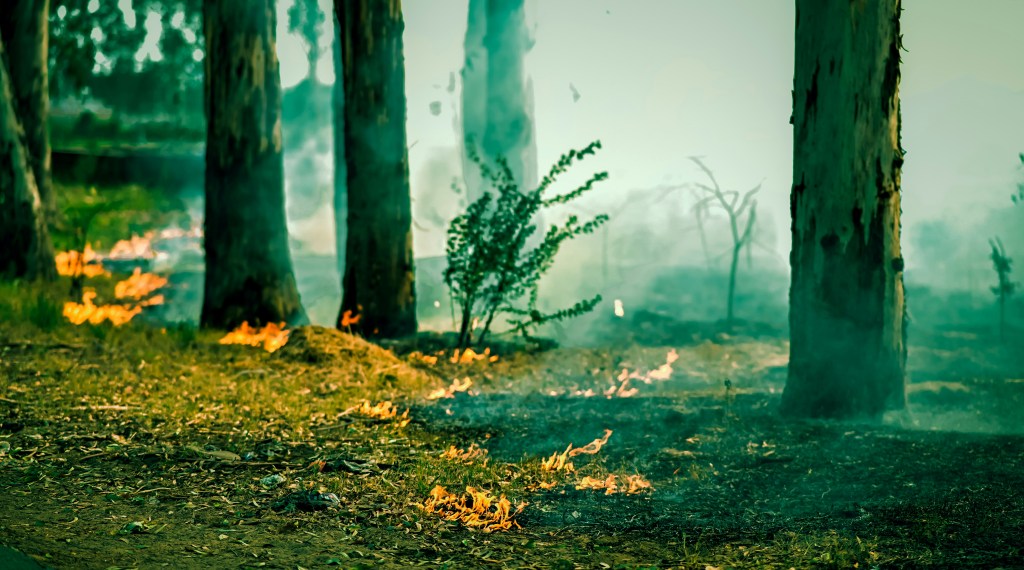
New York’s growing wildfire threat is not an isolated concern. Similar patterns of increasing fire severity are being seen in places like Los Angeles, where wildfires have become a persistent danger. This reinforces the scientific consensus that without meaningful climate action, fire seasons across the globe will only intensify. The question is no longer if wildfires will happen, but how we can minimize their damage
 Outer Haven