
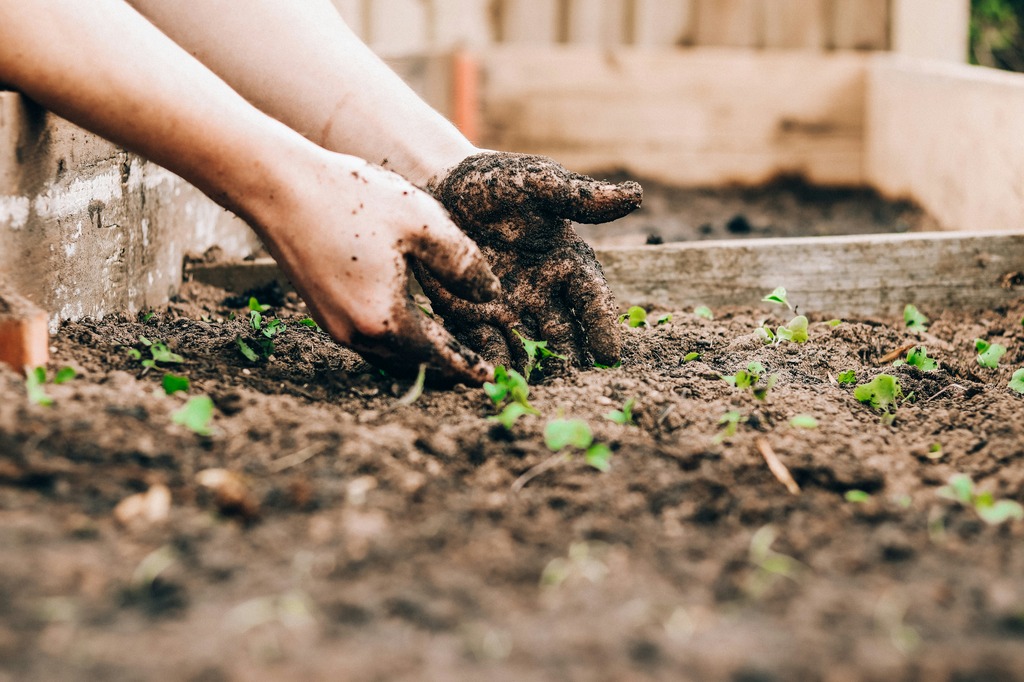
Spring is right around the corner, making it the perfect time to start growing your own food! Whether you have a backyard, a balcony, or just a small windowsill, you can cultivate fresh fruits, vegetables, and herbs right in your New York City home. The best farm-to-table experience is the one you create yourself, and living in the city doesn’t mean you have to miss out.
Luckily, NYC offers plenty of gardening workshops, seed giveaways, and community events this March to help you get started. Whether you’re a seasoned gardener or a total beginner, now is the time to take advantage of these resources and grow your own food at home—often for little to no cost!
Benefits of Growing Your Own Food
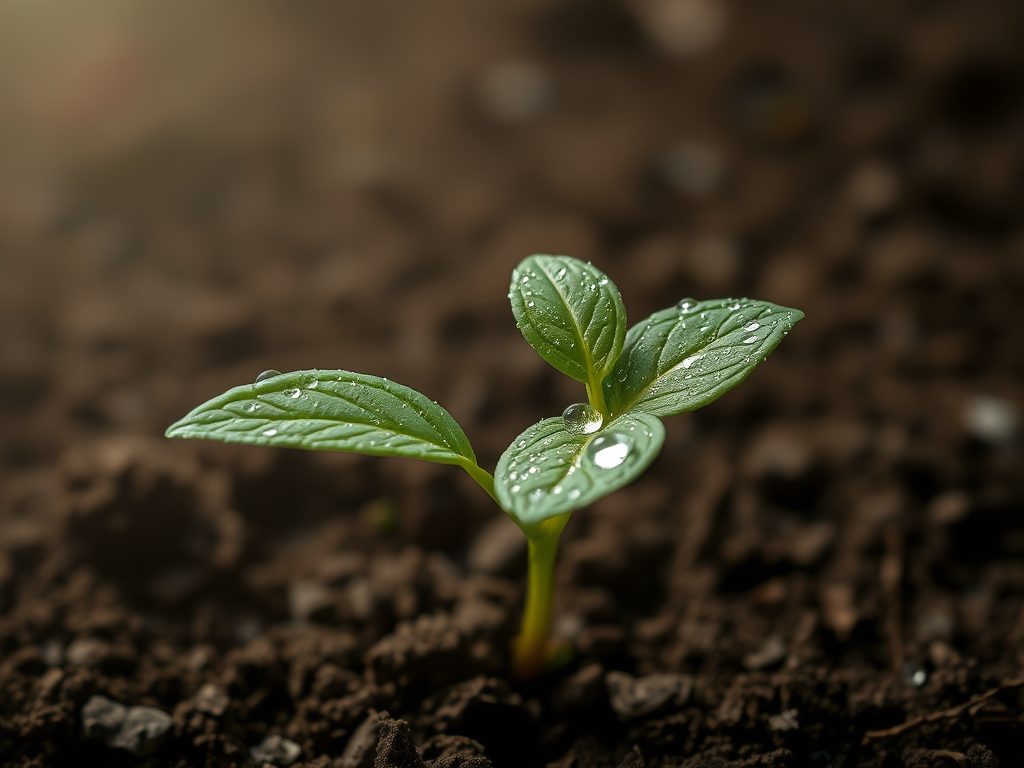
In a city that is fast paced and stressful, gardening can be a powerful stress reliever. Tending to plants is shown to reduce anxiety and improve mental clarity. Even a small herb garden or a few potted plants can transform any living space, bringing in a touch of nature enhancing tranquility and creativity. Gardening also fosters mindfulness, as it requires patience and attention to details, making it an excellent way to disconnect from screens and daily stressors.
Growing your own produce is also a sustainable practice that helps cut down on plastic packaging waste, food transportation emission, and chemical runoff from industry farms. Small urban gardens can also contribute to improving air quality, supporting pollinators like bees and butterflies, and creating green spaces that promote biodiversity. Choosing compostable soil options, practicing organic gardening techniques, and planting native species can further benefit the environment, making urban gardening a rewarding and eco-conscious habit
Besides, you know where your food is coming from. You are also aware of how it is treated and handled. Homegrown food is fresher, free from harmful pesticides, and packed with nutrients. Plus, growing your own food encourages you to eat more fruits and vegetables.
Choosing the Right Plants for NYC Living

With choosing the right plants, it would be ideal to grow one that you love eating- the hardest part. Selecting the right plants for urban gardening depends on space availability, lighting conditions, and seasonal changes. Fortunately, many plants thrive in small spaces and adapt well to container gardening. Easy-to-grow options include herbs like basil, mint, and parsley, require minimal maintenance and can be grown indoors. Leafy greens such as kale and spinach are also great choices, as they grow quickly and can tolerate partial shade. For those with a bit more room, cherry tomatoes and strawberries are excellent options. They add fresh produce to your meals with little effort.
If you’re limited on space, vertical gardening techniques such as trellises, hanging planters, and window boxes allow you to maximize growth in compact areas. Additionally, timing is key—starting crops like lettuce and peas in early spring ensures a productive harvest before the heat of summer, while vegetables like peppers and eggplants thrive in warmer months. In the fall, root vegetables such as carrots and radishes can extend your growing season well into the cooler months, allowing for year-round urban gardening success.
Not everyone has or wants direct sunlight in their spaces. There are still plenty of ways to grow your own food. Shade-tolerant plants like spinach, lettuce, arugula, chives, mint, and microgreens thrive in indirect light. Nevermind plants you can also grow indoor mushrooms which kits provide an easy, low-light growing option. An LED grow light mimics sunlight, enabling successful indoor cultivation of tomatoes, peppers, and even citrus fruits. Positioning plants near windows, mirrors, or white walls helps reflect and distribute available light. Joining a community garden can provide access to better growing conditions if your home doesn’t get enough natural light. It can also be helpful if you desire bigger spaces to grow.
Eco-Friendly Gardening
Not all plants are one region fits all, there are plants that thrive in warmer climates than cold climates and vice versa. There are many plants that produce fruits and vegetables in New York city that are natives, such as blueberries, strawberries, carrots, tomatoes, and more. Native plants help local pollinators like bees and butterflies while requiring less maintenance. There is also a choice between organic & heirloom seeds with other types of seeds. Heirloom and organic seeds promote biodiversity and often result in more flavorful produce. Here are a few great brands to check out:
- Hudson Valley Seed Co (NY-based, heirloom varieties)
- Seed Savers Exchange (nationwide seed preservation)
- True Leaf Market (organic, non-GMO options)
Though there are many animals and insects that would love nothing more than to munch on your outdoor garden, pesticides can negatively impact urban wildlife. You can opt for alternatives from pesticides to products like neem oil or companion planting, and physical barriers if you can’t stop squirrels. It is important to keep in mind that not all insects are pesticides and can actually help your garden thrive
Where to learn and get supplies
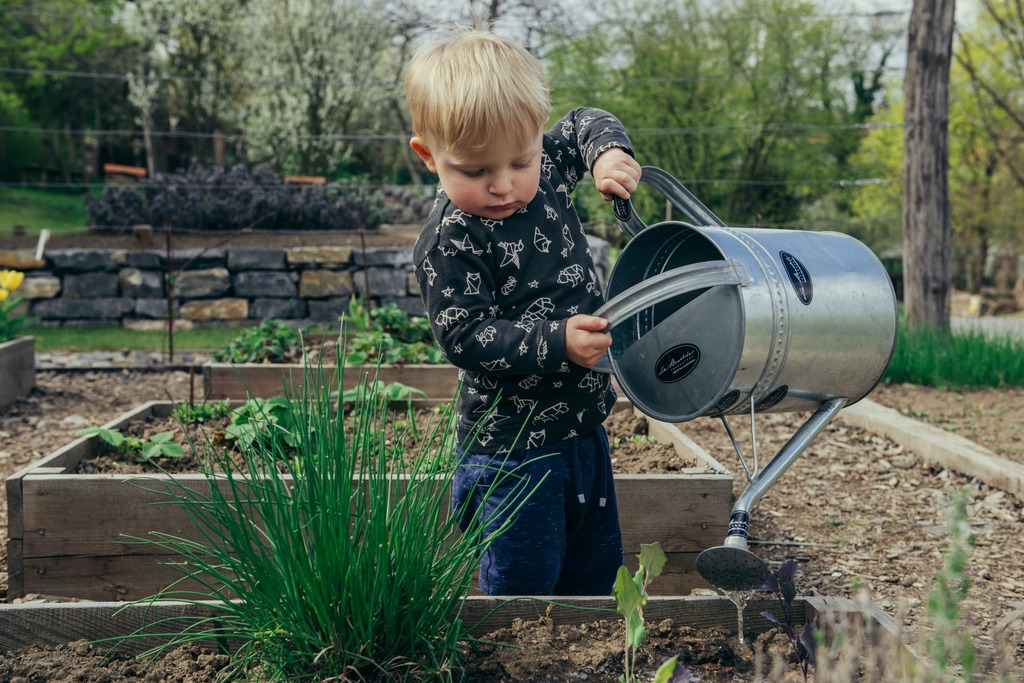
You may not know where to begin to start your garden or think it is too expensive. There are many resources in New York. They offer free workshops and even provide free plants for you to take home!
- Library & Community Events: Many NYC libraries and community centers are hosting free gardening workshops this March. Check out events at the New York Public Library and Brooklyn Public Library.
- Urban Gardening Organizations: Programs like GrowNYC, NYC Parks GreenThumb, and Brooklyn Grange offer resources, workshops, and urban farming opportunities.
- Indoor Gardening Stores: Visit The Sill, Chelsea Garden Center, or Urban Garden Center for grow lights, soil, and indoor gardening supplies.
Introducing Flora Fridays
We’re launching a new mini-series called Flora Fridays. In this series, we explore different plants you can grow in NYC. We also learn how to care for them and how to use them in delicious recipes! Stay tuned for upcoming posts featuring!
Sow!
You don’t need a big yard—or even direct sunlight—to start growing your own food in NYC. Whether you’re sprouting herbs on a windowsill, using grow lights for tomatoes, or joining a local community garden, there are countless ways to enjoy urban gardening.
Have you started your own NYC garden? Share your tips, photos, and favorite plants with us in the comments below! And don’t forget to check out our Flora Friday miniseries! Happy gardening!
 Outer Haven