

For half of the world’s population, menstrual products are a necessity. Yet, their impact on the environment and women’s health has largely been overlooked. From plastic waste to hidden chemicals, the products many of us rely on come with significant costs. This is not about pointing fingers- it’s about addressing a systemic problem and finding better solutions for health and the planet.
The Environmental and Health Crisis
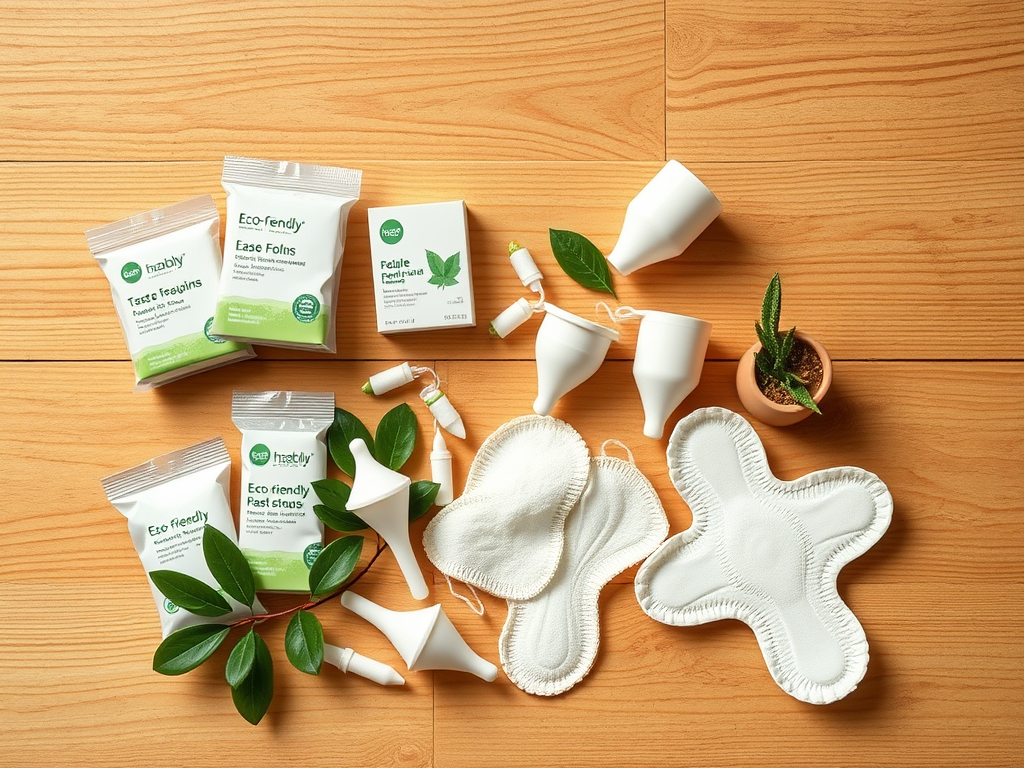
Every year, an underestimated 20 billion disposable menstrual products are discarded in the United States, contributing to the growing environmental crisis. Most of these products contain high levels of plastic and synthetic material, which can take over 500 years to decompose. Disregarding the amount of pollution that is done to create menstrual products, the method of disposal is also polluting.This leads to pollution of waterways, sewage blockages, adding to landfills,and release of microplastics.
However, the problem does not stop at waste. Many disposable pads and tampons contain harmful chemicals like phthalates, dioxin, and pesticides, which have been linked to hormone disruption, allergic reactions, and even reproductive health issues. A 2024 study from Environmental Factor found toxic metals in tampon, raising further concerns about long-term safety.
The synthetic materials and chemicals in some menstrual products can also disrupt the vagina’s natural pH balance, creating an environment where harmful bacteria thrive. Studies have linked prolonged use of non-breathable pads or tampons to bacterial vaginosis (BV). BV is a common infection characterized by discomfort, odor, and discharge. Additionally, tampon use has been linked with yeast infections and in rare cases, toxic shock syndrome (TSS). This happens if a tampon is left too long causing disruption in natural balance of vaginal flora. Despite these risks, awareness remains low – only 30% of women are aware of what BV is. Women are even less are unaware of how menstrual products or daily life actions can impact their vaginal health.
Despite these risks, there is surprisingly little research into the safety and environmental impact of menstrual products. This was made obvious in 2023 was the first time menstrual products were tested with real human blood. Prior testing had used water or saline, which doesn’t replicate the properties of menstrual blood. This lack of research leaves millions of people suspended on what products are right for them as well as being uninformed about the potential risks of the products they rely on.
Why this Isn’t Your Fault
The environmental and health impacts of menstrual products are not the fault of individuals. For many, disposable products are the most accessible, affordable, and convenient option. Systemic issues like lack of education, limited availability of sustainable alternatives, and cultural taboos around menstruation have left many with few choices.
For example, many people don’t realize that sanitary napkins and tampons have expiration dates, typically lasting 3-5 years before they start breaking down. This information is rarely emphasized, leaving consumers unaware of potential risks.
The stigma surrounding menstruation has also contributed to this knowledge gap. Historically, periods have been considered taboo, making open discussions about menstrual health difficult.
Sustainable Alternatives and Solutions
There is no one version that fits all products when it comes to menstrual health, especially being sustainable. When it comes to availability and prices, you should always pick what benefits you at the time, but it is important to do research and keep an open mind. While disposable products dominate the market, there are growing alternatives that are better for both the plant and our bodies:
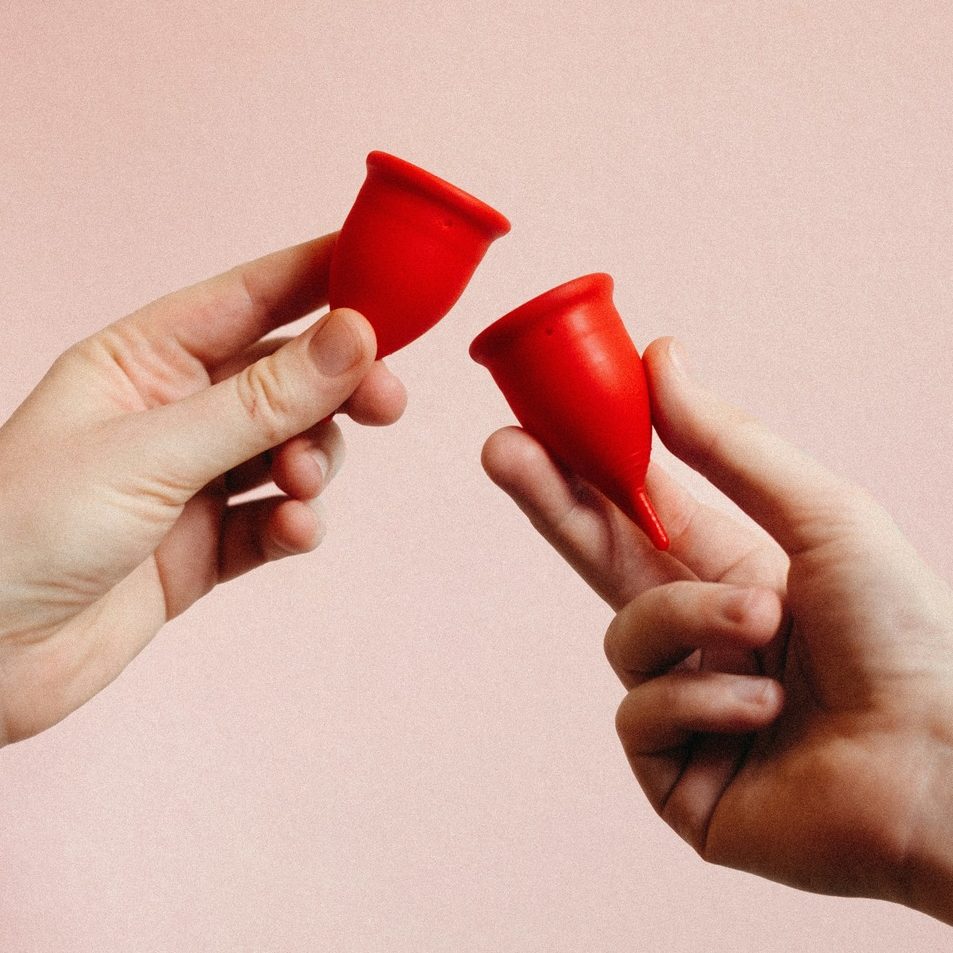
- Menstrual Cups and Discs: Made from medical-grade silicon, these reusable options can last up to 10 years and reduce waste
- Period Underwear: Absorbent and leak-proof, these are a comfortable, eco-friendly option for light to moderate flow.
- Organic Cotton Pads and Tampons: Free from synthetic chemicals, pesticides, and chlorine bleach.
- Reusable Cloth Pads: Washable and reusable for years, these are a long-standing alternative used globally.
But sustainable options alone aren’t enough. We need systemic change, including:
- Increased Research Funding: To better understand the health and environmental impacts of menstrual products.
- Corporate Accountability: Demanding transparency about ingredients and manufacturing processes.
- Policy Changes: Supporting legislation that promotes eco-friendly and non-toxic menstrual products.
Organizations like Period.org, The Pad Project, and Plastic Pollution Coalition are working to make safer, eco-friendly options more accessible. By supporting these initiatives, we can create a future where periods are safe, and kind to both our bodies and the planet
In the End
The environmental and health costs of menstrual products are a shared challenge—but also an opportunity for change. By raising awareness, supporting better alternatives, and fighting for equity in menstrual health, we can create a future where periods are no longer a hidden crisis. Half of the world’s population are affected by periods, and many do not have adequate access to help their menstruation.
This isn’t about guilt—it’s about empowerment. Together, we can make a difference, one period at a time.
 Outer Haven